

Emotional Trauma Treatment
Start living with greater peace and resilience.
Healing Emotional Trauma in a Safe, Supportive Space
At our emotional trauma treatment centers, we provide a safe and supportive environment to help you heal. Our trauma programs are designed to guide you through processing emotional trauma and rediscovering your sense of self.
Trauma Therapy That Treats the Root Cause
Trauma can stem from a single event or a series of traumatic events that are repeated over a period of time, causing individuals to suffer overwhelming, painful, frightening, or loathing emotions. Experiencing trauma during childhood while the brain is still developing can have severe and long-lasting effects that – if left untreated – can carry over into adulthood. The Meadows is dedicated to treating the root of trauma through therapy, helping individuals achieve lasting recovery and reclaim their lives.
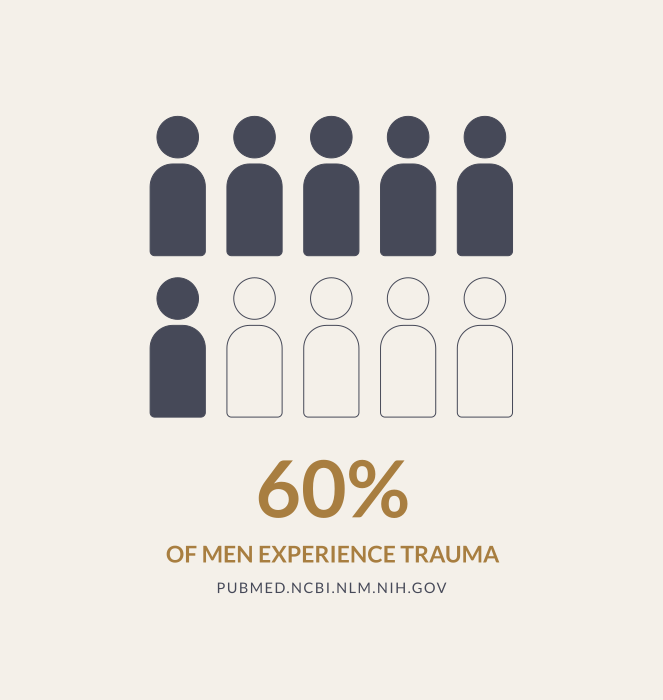
About 6 of every 10 men experience at least one trauma in their lives.
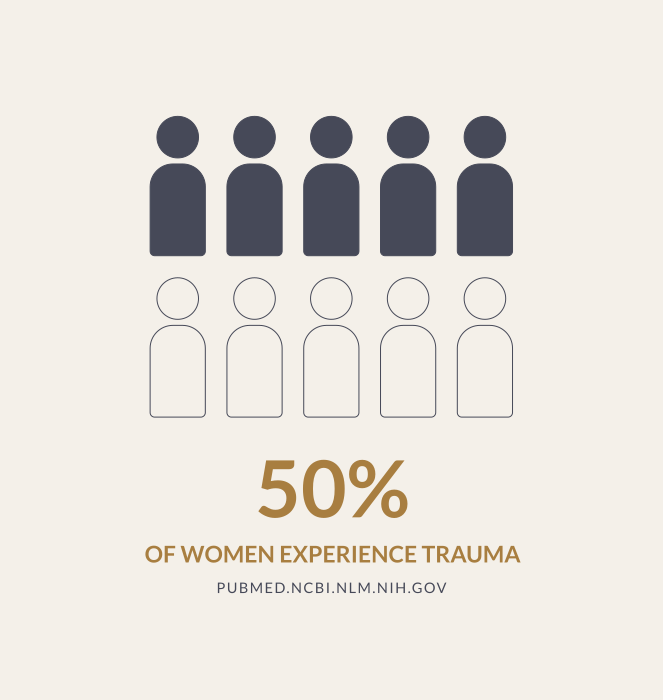
About 5 of every 10 women experience at least one trauma in their lives.
Personalized Emotional Trauma Treatment
We create personalized treatment plans tailored to your unique experience of emotional trauma, using proven strategies that work best for your healing process. Our whole-person approach addresses both the immediate emotional distress and the deeper unresolved pain.

Emotional Trauma Treatment Options
Inpatient Emotional Trauma Treatment
Our inpatient emotional trauma treatment centers provide structured care and daily support, offering a safe space to heal away from daily stressors.
Outpatient Emotional Trauma Treatment
Keep up with your regular life while getting the help you need to overcome co-dependency with flexible sessions that provide strong support.
Intensive Trauma Workshop Sessions
Our 5-day intensive trauma workshops offer in-depth guidance and practical tools. These sessions help you manage the long-term effects of trauma.
Our Inpatient & Residential Emotional Trauma Centers
Our Outpatient Trauma Treatment Center Locations
How We Treat Emotional Trauma
Brain Center
Our Brain Center uses advanced tools to support brain function, essential for processing emotional trauma. These tools help reduce emotional distress and improve your ability to cope with the challenges that arise from unresolved emotional trauma.
TRauma Therapy
Each emotional trauma treatment program includes various therapies that address your unique needs. This comprehensive approach promotes emotional healing and equips you with the confidence to manage trauma-related challenges more effectively.
Meadows Model
Each emotional trauma treatment plan includes various therapies that address your unique needs. This comprehensive approach promotes emotional healing and equips you with the confidence to manage trauma-related challenges more effectively.
What Sets The Meadows Apart for Trauma Therapy and Treatment?
Not all emotional trauma treatment programs are the same. At The Meadows, we take a whole-person approach to care, addressing not only the physiological effects of trauma but also the emotional and psychological patterns that sustain ongoing symptoms.
Expertise in Trauma Treatment
With over 50 years of proven success, our trauma treatment program has a proven track record, having supported more than 20,000 clients and 25,000 workshop participants. Our foundation of clinical excellence was built by Pia Mellody, a pioneer in trauma and recovery, and continues with distinguished Senior Fellows.
Trauma-First Care
At The Meadows, we focus on recovery from trauma, including combat stress, accidents, medical events, abuse, and family-of-origin wounds. Many struggling with emotional trauma have unresolved experiences, which we address through specialized, evidence-based therapies. Learn about our treatment approach.
Dual Diagnosis Treatment
Comprehensive care for co-occurring conditions common with emotional trauma, including anxiety, depression, mood instability, dissociation, and substance use disorders. Our integrated approach treats trauma and addiction together, supporting whole-person recovery. Explore our clinical outcomes.
I highly recommend the Meadows for mental health and trauma treatment. If you are ready to make a change in your life, this is the place to be!
Andrea
MBH Alumni

Traveling for Care?
People from all over choose The Meadows for expert care in trauma, addiction, and mental health, a private environment, and extraordinary recovery outcomes. We ensure every step of your journey is supported so you can focus fully on healing.

Feel Secure and Supported in Your Healing
You can overcome emotional trauma and find peace. We’re here to help you every step of the way. Contact our admissions team to explore the right emotional trauma treatment center for you.
-
Emotional Trauma Treatment FAQs
What is emotional trauma?
Emotional trauma can stem from various causes and is the psychological response that causes individuals to suffer overwhelming, painful, frightening, or loathing emotions. Meadows Senior Fellow, Peter Levine, notes that trauma can manifest when the nervous system holds onto energy from an incomplete survival response, leading to various symptoms.
What are the signs of emotional trauma in adults?
Emotional trauma can manifest in many different ways, affecting behavior, emotions, and even physical health.
- Emotional: Intense and unpredictable emotions such as depression, anger, fear, guilt, and anxiety are all signs of trauma impacting one’s emotions.
- Behavioral: Emotional trauma can manifest through behavioral concerns such as negative or extreme moods, avoiding anything (people, places, and/or activities) that bring up memories of the traumatic experience, intense reactions to situations that aren’t typically bothersome, hypervigilance, trouble with completely daily tasks, and hyperactivity are all signs of behavioral symptoms caused by emotional trauma.
- Physical: Chronic fatigue and sleep disturbances, changes in eating habits, headaches, stomachaches, changes in heart rate, sweating, and trembling are all ways in which emotional trauma can physically manifest in the body.
What are the long-term effects of emotional trauma?
Emotional trauma can have lasting effects, such as PTSD symptoms, depression/anxiety, strained relationships and work functioning, and even physical health problems (e.g., chronic pain and cardiovascular risk), especially when trauma occurs in childhood or goes untreated. Getting evidence-based care can reduce these long-term impacts and support recovery.
How do I know if inpatient or outpatient treatment for emotional trauma is right for me?
The choice between inpatient and outpatient treatment depends on several factors, including the severity of symptoms, level of home support, and daily life functioning.
Inpatient treatment may be right for you if you are experiencing intense symptoms and have difficulty functioning in daily life with little to no structure at home. Outpatient treatment may be a better fit if your symptoms are more manageable and you are able to maintain some daily responsibilities, as well as a more supportive living situation.
If you are unsure which level of care is best for you or your loved one, please give us a call, and our team can provide an assessment and recommendation for treatment.
How do I know when I need professional help for trauma-related issues?
You don’t need to wait for a crisis; if symptoms related to emotional trauma are affecting your life, it may be time to seek professional help. If you are unsure, speaking to a member of our team can help provide clarity and understanding. To reach us, contact us online or give us a call.
How long does it take to heal from emotional trauma?
Healing from trauma is different for everyone, and recovery is a journey that takes time and patience. It often involves a combination of professional help, self-care, and support from loved ones. Some people begin to feel better in weeks, while for others, healing is a longer process. Taking the first step toward support is the most important – recovery is possible, and The Meadows is here to help you.
How can I support a loved one struggling with emotional trauma?
Supporting a loved one, a partner, or a family member dealing with emotional trauma starts with listening and letting them know they are not alone. Educate yourself about what they are going through so you can better understand what they are experiencing. It is also very important to take care of your own well-being so you can offer consistent, compassionate support. Reach out to our team to discuss treatment and what options might be best for your loved one at 928.260.3568.
How do I get started with trauma treatment?
The first step towards treatment for emotional trauma begins with reaching out. You can contact our team through our online contact form or by giving us a call at 928.260.3568. We are here to guide you through each step of your healing process and reach lasting recovery.
Does The Meadows provide post-treatment recovery support?
The Meadows offers several options, including step-down programs following inpatient treatment through our outpatient programs with locations across the country, as well as our experienced Case Management team that provides ongoing support. Our alumni program Onward, which is open to any individual who has participated in one of our programs. Onward provides individuals with a supportive community committed to ongoing resources and empowerment, knowing that recovery is a lifelong journey.
Does treatment for emotional trauma include family involvement or support?
Family or friend involvement is crucial to the healing process for emotional trauma. In our programs, we offer a variety of resources for family members, including educational and communication tools, as well as, in some cases, onsite workshops. The decision to attend a family program is guided by several factors, including the length of stay, clinical appropriateness, patient desire, and others. Once admitted, our team members will work with the patient and their family to determine the next steps.
How to recover from emotional trauma?
Recovery from emotional trauma is possible with evidence-based care like trauma-focused CBT, EMDR, or other trauma therapies, often combined with medication when appropriate, social support, and consistent self-care skills. If symptoms are disrupting daily life, seek a trauma-informed clinician for a personalized plan, such as the approach used at The Meadows.
What are some examples of emotional trauma?
Here are common emotional trauma examples: childhood abuse or neglect, witnessing domestic violence, sexual assault, sudden loss of a loved one, serious accidents, natural disasters, community or gun violence, bullying or harassment, medical/ICU trauma, war or combat, and chronic emotional abuse or coercive control. If any of these experiences are affecting daily life, a trauma-informed evaluation can help you decide next steps for care.