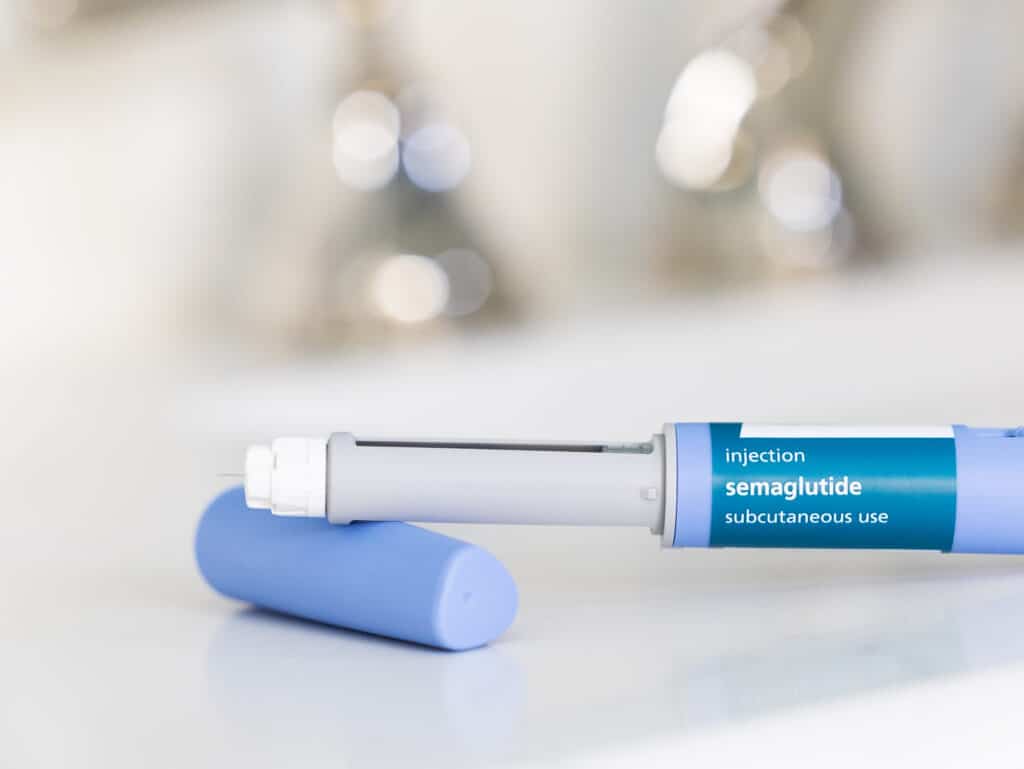


GLP-1 medications like Ozempic and Wegovy were built to treat diabetes and support weight loss. Along the way, researchers noticed something they didn’t expect: some people taking them also lost interest in alcohol and cigarettes. That raised a bigger question. If these drugs can quiet cravings for some substances, could they help with stimulants like cocaine and methamphetamine, where good medication options don’t exist?
It’s a fair question, and an important one. But the honest answer is that the research is still early, and most of it isn’t about stimulants at all. Here’s what scientists have actually found so far, and what they haven’t.
Quick Read
- •Stimulants include cocaine, methamphetamine, and misused prescription stimulants like Adderall.
- •There’s no FDA-approved medication to treat stimulant addiction, which is why new options draw so much interest.
- •The strongest evidence that GLP-1s reduce cravings is for alcohol, not stimulants.
- •The main stimulant-related signal is an observational study tied to a lower risk of cocaine use disorder. There’s almost no direct research on methamphetamine.
- •GLP-1s may work by quieting craving itself, so a stimulant benefit is plausible but unproven. Any use would be part of comprehensive treatment, not a standalone fix.
Why Stimulant Addiction Is So Hard to Treat
Stimulants are drugs that speed up the brain and body. The group includes cocaine, methamphetamine, and prescription stimulants like Adderall when they’re misused. They can create powerful cravings and carry a high risk of relapse.
Here’s the core problem. Unlike opioid or alcohol addiction, stimulant addiction has no FDA-approved medication to treat it. Doctors can offer therapy and support, but they don’t have a proven drug to take the edge off the cravings. That missing piece is a big reason researchers are so interested in whether GLP-1s could help.
Why Researchers Think GLP-1s Might Help
GLP-1s act on the brain’s reward system, the same wiring that drives cravings. That’s where the interest in stimulants comes from.
The team behind one of the largest studies puts it simply: GLP-1s may quiet craving itself, not just craving for one particular drug. The lead researcher describes it as turning down the “drug noise,” the constant mental pull toward a substance. If that’s really how these medications work, the effect wouldn’t be limited to alcohol or nicotine. It could, in theory, reach stimulants too. For now, though, that’s the idea driving the research, not something that’s been proven.
What the Research Actually Shows
The evidence is uneven, and it’s easy to overstate. Sorting it out by substance is the clearest way to see where things really stand.
The strongest evidence is for alcohol
The clearest proof so far is for alcohol, not stimulants. Two randomized trials, the most reliable kind of study, tested the GLP-1 semaglutide in people with alcohol use disorder.
In one trial published in JAMA Psychiatry, people taking semaglutide drank less and reported weaker alcohol cravings than those taking a placebo. A second trial reported by the NIH paired semaglutide with therapy and found a similar drop in heavy drinking.
This matters because it’s real human proof that GLP-1s can lower craving and use. It just hasn’t been shown for stimulants.
For stimulants, the main signal comes from cocaine
When it comes to stimulants, the main clue is about cocaine, and it’s indirect. A large study of more than 600,000 veterans looked back through medical records and found that people taking a GLP-1 for diabetes were about 20% less likely to develop cocaine use disorder. The same study linked GLP-1 use to fewer overdoses and deaths across substances.
Two things are worth keeping in mind. This was an observational study, which means it spotted a pattern rather than proving the drug caused the result. And it measured the risk of developing a cocaine problem, not whether GLP-1s reduce cravings in someone who’s already struggling. It’s an encouraging clue, not an answer.
For methamphetamine, there’s almost no direct evidence
For methamphetamine, there’s almost nothing yet. That’s a serious gap, because meth addiction is widespread and, like other stimulant addictions, has no approved medication. Researchers have flagged it as one of the most important questions to answer, but the studies simply haven’t been done.
So, Can GLP-1s Help With Stimulant Cravings?
The honest answer is maybe, but it isn’t proven. The reasons for hope are real. GLP-1s seem to target craving at its source, and there’s an early signal that they may lower the risk of cocaine problems. At the same time, no completed trial has tested GLP-1s for stimulant cravings, the evidence for meth is nearly nonexistent, and no GLP-1 is approved to treat any addiction.
In other words, this is a promising direction, not a treatment you can count on today. What matters most for someone struggling right now is that help already exists.
What This Means If You’re Struggling With Stimulant Use
Even without a proven medication, stimulant addiction is treatable. The most effective options available today are behavioral. Approaches like contingency management, which rewards staying drug-free, and cognitive behavioral therapy have strong track records, especially inside a structured treatment program.
If GLP-1s ever earn a role, it’ll be as one part of comprehensive care, decided with a medical team, not something to try on your own. If you’re curious about where medication could fit, our post on who’s a good candidate for GLP-1 medication in addiction treatment walks through how clinicians make that call. The most important step, though, is talking with a treatment provider about what’s most likely to work for your situation.
FAQs About GLP-1s in Stimulant Addiction Recovery
1. Can GLP-1s treat stimulant addiction?
Not yet, at least not as a proven treatment. No GLP-1 medication is approved to treat stimulant addiction, and no completed clinical trial has tested one for it. Early research on the brain’s craving system suggests GLP-1s might help someday, but for now it’s a promising idea, not an established treatment.
2. Are GLP-1s FDA-approved for stimulant use disorder?
No. GLP-1 medications are approved for type 2 diabetes and weight management only. Using one for any addiction, including stimulant use, is off-label and hasn’t been approved by the FDA.
3. What actually treats stimulant addiction right now?
Because there’s no approved medication, the most effective treatments for stimulant addiction are behavioral. Approaches like contingency management and cognitive behavioral therapy, delivered through a structured treatment program, are the current standard and can work well.
4. Could GLP-1s become part of stimulant addiction treatment in the future?
It’s possible. If clinical trials show they help, GLP-1s could one day be used alongside therapy as part of comprehensive care. For now, that’s a question researchers are still working to answer, and any use would be a medical decision, not a do-it-yourself one.
Find Support for Stimulant Addiction
You don’t have to wait for a new medication to get help. At The Meadows, we treat stimulant and other drug addiction with proven, individualized care that addresses the whole person, and we stay at the forefront of emerging options like GLP-1 supported treatment as the science develops.
If you or someone you love is struggling with cocaine, methamphetamine, or another stimulant, reach out to our team to talk through treatment options and take the first step toward recovery.