
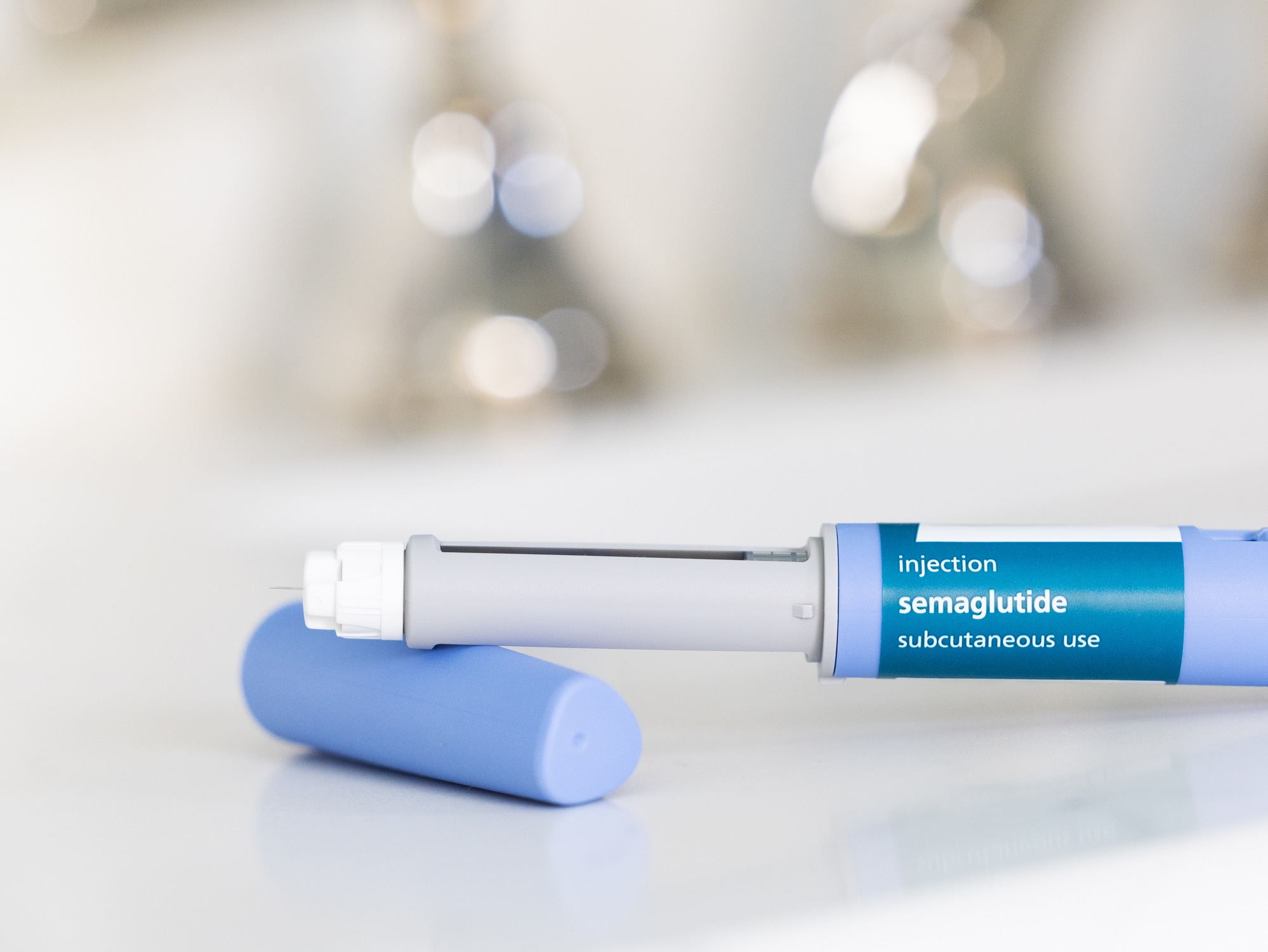

Semaglutide has become known for treating type 2 diabetes and supporting weight management. Now, researchers are asking a different question: could it also help reduce alcohol cravings?
For someone struggling with alcohol use, that question can feel personal. Cravings can be loud, distracting, and hard to explain. They can show up after a stressful day, during a social situation, or even when someone feels fully committed to staying sober.
Early research suggests semaglutide may help reduce heavy drinking and alcohol cravings for some people. But the science is still developing, and semaglutide is not currently approved as a treatment for alcohol use disorder.
That balance matters. The research is promising, but it shouldn’t replace real care, honest support, or a treatment plan built around the whole person.
Why People Are Talking About Semaglutide and Alcohol
Semaglutide belongs to a class of medications called GLP-1 receptor agonists. These medications are approved to treat diabetes and obesity, and they act on brain pathways involved in appetite regulation and reward.
Researchers are studying whether those same pathways may also affect alcohol cravings and drinking behavior. That connection has caught people’s attention because alcohol cravings are not only a matter of willpower.
Alcohol use disorder can affect the brain’s reward system, stress response, habits, emotions, and decision-making. For many people, the urge to drink can feel automatic before they’ve had time to think through what they need.
If a medication can reduce part of that pull, it could give some people more space to pause, reach for support, and make a different choice.
Still, “could help” is not the same as “proven treatment.” Semaglutide is being studied, but alcohol recovery still requires more than lowering the desire to drink.
Can Semaglutide Reduce Alcohol Cravings?
Semaglutide may reduce alcohol cravings and heavy drinking for some people, especially based on early research in people with alcohol use disorder and obesity.
A recent National Institutes of Health (NIH) Research Matters article covered a clinical trial where participants with alcohol use disorder and obesity received either semaglutide or a placebo for 26 weeks.
Everyone in the study was also offered cognitive behavioral therapy for alcohol use disorder. Both groups drank less over time, but people taking semaglutide had a larger decrease in heavy drinking days. They also had greater decreases in monthly alcohol consumption, drinks per drinking day, self-reported alcohol craving, and harmful alcohol use measures.
That’s encouraging. It suggests semaglutide may affect the craving and reward patterns connected to alcohol use.
But it’s also important to stay careful with the takeaway. The study looked at people who had both alcohol use disorder and obesity. Researchers noted that more clinical trials are needed to know whether the findings also apply to people without obesity.
So, can semaglutide help with alcohol cravings? Possibly, for some people. But it is not a guaranteed fix, and it should not be treated like a stand-alone answer for alcohol addiction.
What Semaglutide May Change in the Drinking Cycle
Alcohol cravings can create a loop that’s hard to break. A person may feel stress, discomfort, loneliness, or restlessness. Alcohol starts to feel like the fastest way to shift that feeling.
Over time, the brain can learn that alcohol brings relief, reward, or escape. Even when drinking starts causing harm, the craving loop may keep pulling the person back toward it.
Semaglutide may help some people by weakening the reward or “pull” connected to alcohol. That could make alcohol feel less interesting, less urgent, or less satisfying.
For some people, that may look like:
- Thinking about alcohol less often
- Feeling less driven to drink after a trigger
- Drinking fewer drinks when they do drink
- Having fewer heavy drinking days
- Feeling more able to pause before acting on an urge
Those shifts can matter. A quieter craving can create room for other recovery skills to work.
But cravings are only one part of the cycle. Alcohol use can also be tied to pain, trauma, anxiety, depression, family patterns, social pressure, boredom, grief, sleep problems, and the fear of facing life without something to take the edge off.
That’s why reducing cravings can be helpful without being enough on its own.
Why Semaglutide Is Not an Alcohol Treatment by Itself
Semaglutide is not currently FDA-approved to treat alcohol use disorder.
That doesn’t make the research irrelevant. It means people need to be cautious about using a medication for alcohol cravings without a broader treatment plan.
It’s also important to understand that semaglutide and similar GLP-1 medications are generally being studied and used as longer-term treatments rather than short-term interventions. Any potential impact on cravings or reward pathways appears to depend on sustained, consistent use over time.
Alcohol use disorder is a medical condition that can range from mild to severe. NIAAA explains that treatment can include behavioral health care, FDA-approved medications, mutual support groups, or a combination of these options. NIAAA also notes that different people need different treatment approaches, and one size does not fit all.
That matters because alcohol addiction is rarely solved by removing one symptom.
Even if semaglutide reduces cravings, a person may still need help with:
- Managing stress without drinking
- Understanding emotional triggers
- Treating anxiety, depression, or trauma
- Rebuilding trust with loved ones
- Creating sober routines
- Managing social pressure
- Treating withdrawal risk safely
- Staying connected when isolation feels easier
Medication can support recovery, but it cannot replace the human work of healing.
Why Therapy Still Matters if Cravings Get Quieter
When cravings calm down, it can feel like a door opens. A person may finally have more mental space to think, breathe, and respond instead of reacting.
That space can be powerful. But it still needs direction.
Therapy can help a person understand why alcohol became so important in the first place. For some, it numbed anxiety. For others, it softened trauma symptoms, helped with sleep, created confidence in social settings, or made unbearable feelings feel distant for a while.
If alcohol becomes less appealing, those deeper needs may still be there.
That is where treatment becomes important. Therapy, group support, and structured recovery care can help someone learn how to meet those needs in ways that don’t keep harming their body, relationships, or sense of self.
Semaglutide may lower the volume on cravings for some people. Treatment helps address what the cravings were trying to cover.
What This Research Means for People With Alcohol Use Disorder
The semaglutide research is hopeful because it gives more evidence that alcohol cravings are connected to real brain and body systems.
That can help reduce shame. Alcohol use disorder is not a character flaw or a lack of discipline. It is a health condition that affects how a person thinks, feels, copes, and responds to reward and stress.
Research into GLP-1 medications may eventually lead to more treatment options. That could be especially meaningful because NIAAA notes that only three medications are currently FDA-approved to treat alcohol use disorder.
More options could help more people find care that fits.
Still, the best use of this research right now is not to assume semaglutide is the answer. It is to understand that alcohol cravings deserve medical care, not shame. They can be studied. They can be treated. They can be talked about without reducing a person to their drinking.
Should You Ask Your Doctor About Semaglutide for Alcohol Cravings?
If you are already taking semaglutide and have noticed changes in your desire to drink, it may be worth bringing that up with your doctor or therapist.
If you are not taking semaglutide but are curious about it because of alcohol cravings, talk with a medical professional before making any decisions about GLP-1 treatment.
Semaglutide is a prescription medication with real effects on appetite, digestion, blood sugar, weight, and overall health. It may not be appropriate for everyone.
It is also important to be honest about how much you drink. Heavy alcohol use can affect sleep, mood, nutrition, the liver, the pancreas, the heart, and the nervous system. It can also make stopping suddenly dangerous for some people.
A doctor can help you understand your medical risks. An addiction treatment provider can help you understand what kind of alcohol support may be needed.
When Alcohol Cravings May Be a Sign to Get Help
Alcohol cravings do not have to be constant or extreme to be worth taking seriously.
If cravings are affecting your choices, relationships, work, health, or emotional stability, support can help. You don’t need to wait until everything falls apart.
Signs that alcohol treatment may be needed include:
- You drink more than you planned
- You’ve tried to cut back but haven’t been able to
- You spend a lot of time thinking about alcohol
- You hide, minimize, or explain away your drinking
- You use alcohol to sleep, relax, socialize, or cope
- You feel anxious, restless, or irritable without alcohol
- You keep drinking despite consequences
- Loved ones have expressed concern
- You return to drinking after trying to stop
- You have withdrawal symptoms when you don’t drink
Withdrawal symptoms can include shaking, sweating, nausea, anxiety, insomnia, rapid heartbeat, or more serious symptoms like seizures or confusion. If you may be physically dependent on alcohol, do not try to stop suddenly without medical guidance.
Alcohol cravings are not a sign that someone is weak. They are a sign that support may be needed.
What to Do if You’re Curious About Semaglutide and Alcohol Recovery
If semaglutide is on your mind, use that curiosity as a starting point for a broader conversation about alcohol.
You might talk with your doctor or treatment provider about:
- How often cravings happen
- How intense they feel
- Whether you have tried to cut back
- Whether you have withdrawal symptoms
- How alcohol is affecting your health
- Whether medication for alcohol use disorder may help
- Whether therapy or a higher level of care is needed
- Whether semaglutide is medically appropriate for you
- How any medication would fit into a full recovery plan
This conversation does not have to be all-or-nothing.
Some people may benefit from outpatient therapy, medication, and mutual support. Others may need detox, residential care, or more structured treatment. The right next step depends on safety, severity, medical history, and how much support someone needs to stop drinking or stay stopped.
Finding Support for Alcohol Cravings and Recovery
Semaglutide may help reduce alcohol cravings for some people, but it is still being studied as a treatment for alcohol use disorder. The current research is promising, especially for people with alcohol use disorder and obesity, but it does not make semaglutide a cure for alcohol addiction.
If alcohol cravings are affecting your life, you do not have to figure out the next step alone.
At The Meadows, alcohol recovery is treated as whole-person work. Cravings matter, but so do trauma, mental health, relationships, stress, shame, and the patterns that make alcohol hard to let go of.
Whether medication becomes part of your care or not, recovery is possible with the right support around you.
If you’re wondering whether alcohol treatment could help, The Meadows can help you take the next step with care, clarity, and support. Contact us today to learn more about our treatment options and GLP-1 assisted care.