

For some people, cravings are one of the hardest parts of early recovery. When they’re strong enough, they can make it difficult to stay engaged in treatment, or to begin treatment at all. Finding ways to ease that intensity can make a meaningful difference in whether someone is able to do the work of recovery.
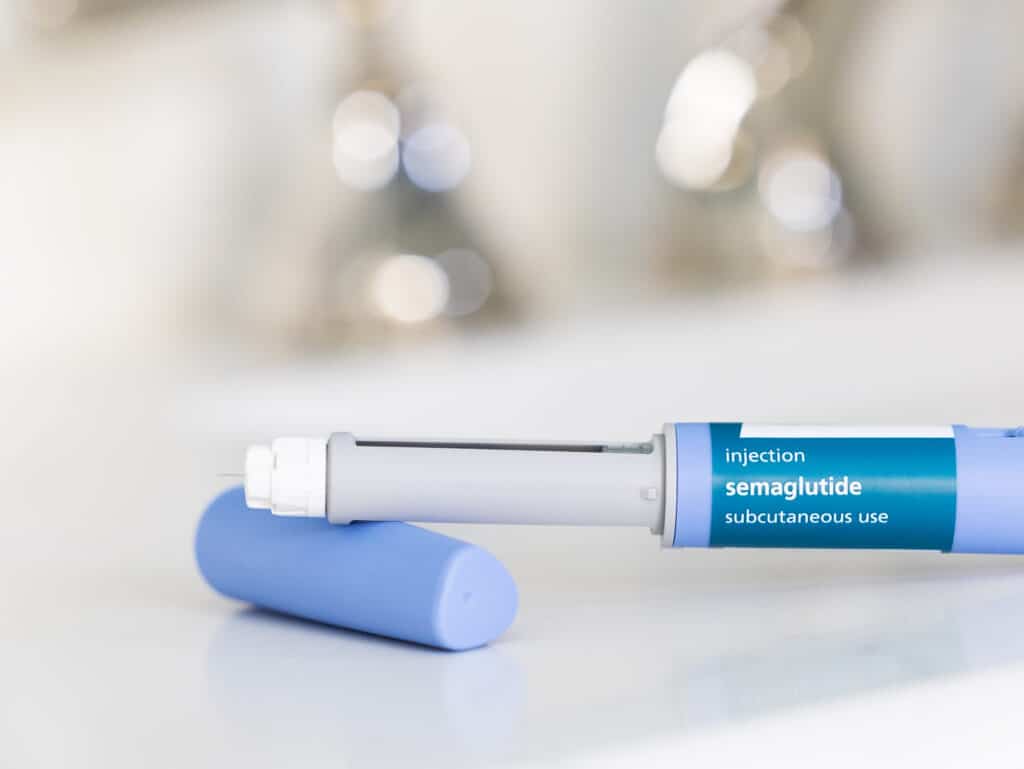
GLP-1 medications, first developed for type 2 diabetes and weight management, have drawn growing interest for their potential to help with cravings. Known by names like Ozempic, Wegovy, and Saxenda, they act on the brain systems tied to reward and motivation, and early research suggests they may reduce the intensity of cravings for some people in recovery.
That raises a practical question for anyone considering treatment: who is a GLP-1 actually right for? It isn’t for everyone. These medications tend to help a specific kind of patient, and only as one carefully chosen part of a larger plan, never as a cure or a substitute for the work of recovery. Here’s how clinicians think about who fits.
Quick Read
- •Not everyone in addiction treatment needs medication support. Many people recover with therapy, structure, and support alone.
- •The patients who benefit most from a GLP-1 are those whose cravings are intense enough to threaten their ability to stay in and engage with treatment.
- •GLP-1 medications can lower the intensity of cravings by acting on the brain’s reward system, which creates room to do the work of recovery.
- •They’re used off-label, only as one part of comprehensive treatment, and only after a medical evaluation.
- •They aren’t right for everyone. A history of an eating disorder and certain medical conditions are important reasons for caution.
Who Is, and Isn’t, a Good Candidate for GLP-1 Medication
A good candidate for GLP-1 medication in addiction treatment is usually someone whose cravings are severe enough to interfere with recovery and who’s already engaged in comprehensive care. It tends to be a poor fit for people with mild cravings or anyone hoping to skip the deeper work of treatment.
At a glance, a GLP-1 may be worth considering for someone who:
- Has intense, craving-driven urges that make it hard to stay in or commit to treatment
- Is living with a co-occurring metabolic condition, such as obesity or type 2 diabetes, alongside a substance use disorder
- Is being treated for alcohol addiction, where the research on GLP-1s like semaglutide’s effectiveness in managing alcohol cravings is currently strongest
- Is already committed to a full course of therapy and support
It’s less likely to be the right choice for someone who:
- Has only mild or manageable cravings that respond well to therapy alone
- Is looking for a standalone fix rather than a support to treatment
- Has a medical or psychiatric history that raises safety concerns, which we cover in detail below
How Craving Level Impacts GLP-1 Candidacy
The strength of a person’s cravings is the clearest signal of whether a GLP-1 might help. Recovery doesn’t call for medication in every case. Plenty of people move through treatment and build lasting recovery with therapy, structure, and support alone, and for them, adding a medication offers little.
The picture changes when cravings are severe. For some people, cravings become persistent and difficult to manage through willpower alone.
When they reach that level, they can start to interfere with a person’s ability to stay in treatment and take part in it. That’s the point where a medication that can turn down the intensity becomes worth considering.
Candidacy, in other words, tracks closely with how much the cravings are getting in the way.
Why Intense Cravings Make Early Treatment So Hard
Intense cravings can be hardest to manage at the very moment a person has the fewest tools to cope with them. Early in treatment, the urge to use may be at its peak while coping skills are still forming. That creates a difficult mismatch.
When a craving is overwhelming, it crowds out nearly everything else. A person may sit in a therapy session physically present but mentally consumed by the urge, unable to take in what’s being said. Group discussions don’t land. Trauma work, which asks for real emotional presence, can feel impossible. For many, the craving wins: they leave treatment early, sometimes against medical advice, or they never enter at all because they can’t imagine getting through the first few days. This early stretch is when the risk of dropping out and relapsing runs highest, and it’s the gap that has clinicians looking for new ways to help.
How GLP-1 Medication Reduces Cravings
GLP-1 medications reduce cravings by acting on the brain’s reward system, the same wiring that makes an addictive urge feel so strong. Here’s how that works, step by step.
Why cravings feel so powerful
Your brain has a built-in reward system. When you do something that connects to survival or pleasure, like eating or spending time with people you love, it releases a chemical called dopamine that makes you feel good and want to do it again.
Alcohol and drugs take over this system. They flood the brain with far more dopamine than everyday activities do, and over time the brain comes to expect it. A craving is that reward system demanding the thing it has learned to want, often loudly enough to drown out reason.
What GLP-1s do to that system
GLP-1 medications reach the same reward-related areas of the brain that drive addiction, including the regions that control motivation and urges. Researchers at Brown University describe the effect as turning down how strongly the brain responds to a reward. When that reward signal is quieter, the pull to seek out alcohol, drugs, or a compulsive behavior gets weaker. It’s the same mechanism that makes a medication first built for diabetes useful for cravings.
What that feels like in treatment
For someone in recovery, a weaker craving can be the difference between staying and leaving. The constant mental noise of wanting settles down. Instead of white-knuckling through every session, a person has room to actually listen, take part in group, and start practicing the skills treatment is teaching. The medication doesn’t do the work of recovery. It lowers the volume enough that the work becomes possible.
When GLP-1s Aren’t the Right Fit
GLP-1s aren’t safe or suitable for everyone, and a careful medical review always comes before anyone starts one. A few situations call for real caution or rule the medication out entirely.
The most important is a history of an eating disorder. Because GLP-1s suppress appetite and can drive weight loss, they can be dangerous for someone with a past or present eating disorder, where those effects may reignite harmful patterns rather than support recovery.
There are also medical contraindications a prescriber screens for, including pregnancy, a personal or family history of medullary thyroid cancer or the genetic condition MEN2, a history of pancreatitis, and being underweight. Side effects, most commonly nausea and other digestive issues, also factor into the decision. And because response varies from one person to the next, a GLP-1 that helps one patient may do little for another.
Finally, a GLP-1 isn’t right for anyone hoping to bypass the harder parts of treatment. It can quiet a craving, but it can’t resolve the trauma, stress, or pain that so often drives addiction. Used with that expectation, it’s likely to disappoint.
What GLP-1-Assisted Treatment Looks Like
When a GLP-1 is used in addiction treatment, it’s one piece of a much larger plan, never the whole thing. Here’s what that looks like in practice.
It starts with a medical evaluation
Before prescribing anything, a provider reviews the person’s medical history, current cravings, recovery needs, and overall health, and screens for any condition that would make the medication unsafe.
The medication supports therapy, not the reverse
A GLP-1 is layered onto the core work of recovery. It runs alongside individual therapy, trauma-focused treatment, and behavioral work, easing cravings so a person can engage more fully rather than standing in for any of it.
A full care team stays involved
Medication management doesn’t happen in isolation. Psychiatric care, nutritional guidance, and ongoing medical monitoring wrap around the prescription to keep it safe and aligned with the person’s recovery.
The plan is adjusted over time
Candidacy isn’t a one-time decision. The care team tracks how a person responds and revisits whether to continue, adjust, or stop the medication as recovery progresses.
It’s matched to the person and the addiction
GLP-1 support is tailored to individual needs and applied across different areas of care, from alcohol and drug addiction to dual diagnosis treatment for people managing addiction and a mental health condition together.
FAQs About Candidacy for GLP-1 Medication in Addiction Treatment
Who is a good candidate for GLP-1 medication in addiction treatment?
A good candidate is usually someone whose cravings are intense enough to interfere with staying in or engaging with treatment, and who’s already committed to comprehensive care. People with a co-occurring condition like obesity or type 2 diabetes, or those with alcohol use disorder, may be especially likely to benefit. A GLP-1 is used only as an adjunct, after a medical evaluation, never on its own.
How is it decided whether someone is a candidate for GLP-1 supported treatment?
Candidacy is a clinical decision, not a self-assessment. It begins with a medical evaluation that reviews a person’s history, current cravings, recovery needs, and overall health, along with screening for conditions that would make the medication unsafe. A care team weighs all of that before deciding whether a GLP-1 fits the treatment plan, and revisits the decision over time.
Do mild cravings make someone a poor candidate for a GLP-1?
Often, yes. GLP-1 support is aimed mainly at people whose cravings are severe enough to threaten their ability to stay in and participate in treatment. Someone whose cravings are mild or already manageable through therapy usually gains little from adding the medication, so it typically isn’t recommended in those cases.
Does a co-occurring condition like obesity or type 2 diabetes affect GLP-1 candidacy?
It can strengthen the case. GLP-1 medications are already approved to treat type 2 diabetes and obesity, so someone managing one of those conditions alongside a substance use disorder may be a particularly suitable candidate, since the medication can support both. The medical team always assesses this individually.
Can someone with a history of an eating disorder be a candidate for GLP-1-supported treatment?
Usually not, and it calls for significant caution. Because GLP-1s suppress appetite and can lead to weight loss, they can be harmful for anyone with a past or present eating disorder, potentially reigniting those patterns. A history of disordered eating is one of the most important reasons a clinician may decide a GLP-1 isn’t appropriate.
Do you have to be in a treatment program to be a candidate for GLP-1 medication?
Effectively, yes. GLP-1s are used as one part of comprehensive addiction treatment, not as a standalone prescription. A good candidate is someone already engaged in therapy and recovery support, so the medication can create room for that work rather than stand in for it.
Find Out Whether GLP-1 Support Is Right for You
Deciding whether a GLP-1 belongs in your treatment isn’t something to sort out alone. It takes a careful look at your history, your cravings, and your goals, guided by a team that treats the whole person rather than just the symptom.
At The Meadows, GLP-1 Supported Treatment is offered as a thoughtful, individualized option for selected patients, always integrated with trauma-focused therapy, medical oversight, and comprehensive recovery support.
If you’re wondering whether it could be right for you or someone you love, reach out to our admissions team to talk it through and take the first step toward lasting recovery.