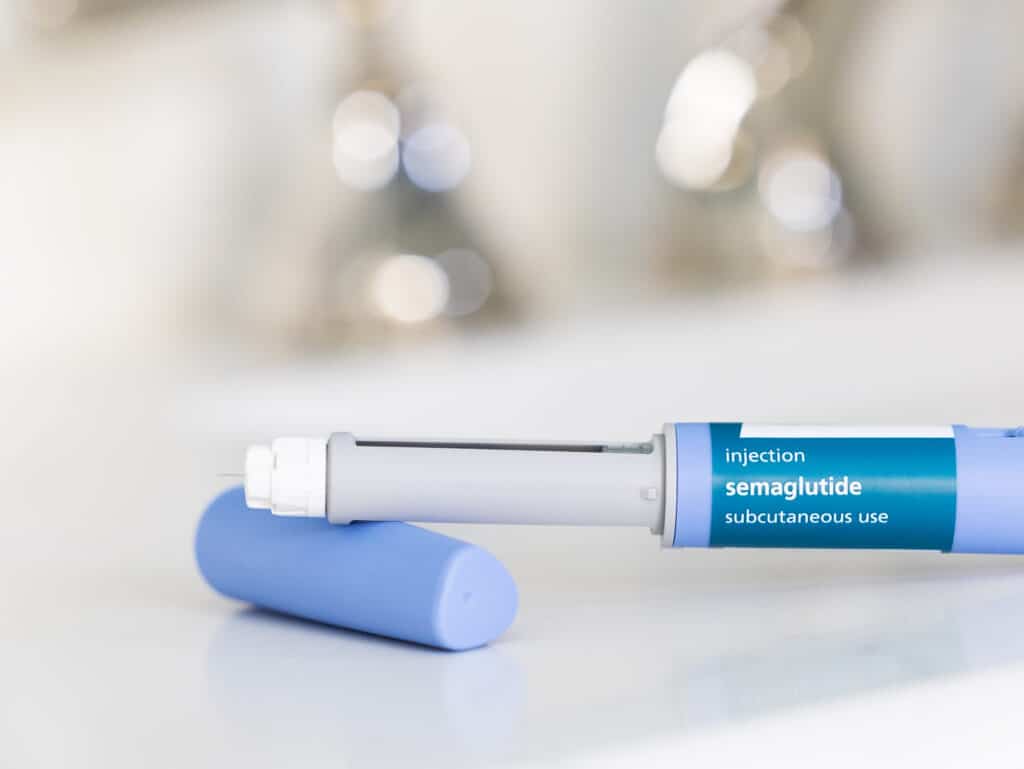


GLP-1 medications have become part of a much bigger conversation than diabetes, weight loss, or appetite. More people are asking whether medications like Ozempic, Wegovy, Mounjaro, and Zepbound may also affect cravings for alcohol, nicotine, or other substances.
For someone in recovery, that can bring up real hope and real caution at the same time. Cravings can feel loud, exhausting, and hard to explain. If a medication seems like it may quiet some of that noise, it makes sense to want to learn more.
Still, recovery is personal. A medication that affects appetite, reward, mood, side effects, and daily routines should be discussed with a doctor who understands your full history. GLP-1s may become an important tool in addiction medicine, but they aren’t a replacement for therapy, recovery support, community, or the deeper work of staying well.
Before starting a GLP-1 in recovery, it helps to ask:
- Is this medication appropriate for me based on my recovery history?
- How will we monitor changes in cravings?
- How will we watch for new compulsive behaviors?
- What side effects could affect my recovery?
- How will this medication support my recovery plan without replacing it?
- What happens if I have to pause, taper, or stop taking it?
- How will we protect my nutrition, energy, mood, and mental health?
- Who else should be involved in this decision?
This guide explains each of those questions, why they matter, and what to talk through with your doctor before making a decision.
Why GLP-1s Are Coming Up in Recovery Conversations
GLP-1 medications were first developed to help manage blood sugar and are now widely used for type 2 diabetes and weight management. Researchers are also studying whether these medications may affect cravings and substance use because GLP-1 pathways appear to be connected to reward, appetite, and motivation.
That research is still developing. A 2026 NIH Research Matters article reported that people with alcohol use disorder and obesity drank less when a GLP-1 medication like Semaglutide was added to cognitive behavioral therapy, but the findings do not make GLP-1s a stand-alone addiction treatment. They point to a possible future role that needs more study.
That distinction matters. A GLP-1 may help some people experience fewer cravings, but recovery usually involves more than cravings alone.
It can also involve trauma, stress, relationship patterns, grief, anxiety, depression, shame, isolation, and the daily practice of asking for support before things fall apart.
For that reason, the question isn’t simply whether GLP-1s can reduce cravings. The more useful question is how a medication like this may fit into a full recovery plan.
Ask Your Doctor
Before starting, ask:
- Why are you recommending this medication for me?
- Is it being prescribed for diabetes, weight management, or another medical reason?
- Is any part of this use considered off-label?
- What benefits should I realistically expect?
- What risks matter most based on my recovery history?
These questions help clarify whether the medication is being used for a clear medical reason and how your recovery needs will be considered.
GLP-1s, Cravings, and Compulsive Behaviors
Some people taking GLP-1 medications report less interest in alcohol, nicotine, food, or other rewarding behaviors. For someone in recovery, that can feel like relief.
But any sudden change in cravings deserves attention. Quieter cravings can create more space to think, cope, and choose differently. They can also feel unfamiliar if your brain (via its reward pathways) and body are used to living with constant urges.
That shift can be helpful, but it shouldn’t happen in isolation.
How to Monitor Cravings
A craving plan gives you and your doctor a clearer way to understand what’s changing. Without a plan, it can be hard to tell whether the medication is helping, whether recovery supports are working, or whether stress and side effects are affecting your stability.
You may want to track:
- How often cravings happen
- How intense they feel
- What triggers them
- How long they last
- What helps them pass
- Whether cravings return before the next dose
- Whether cravings shift from one behavior to another
This doesn’t need to become another source of pressure. A simple note in your phone or a weekly check-in with your therapist may be enough.
The point is to notice patterns before they become harder to manage.
Watching for New Compulsive Behaviors
Some people in recovery worry about “transfer addiction,” or the possibility that compulsive patterns may shift into another behavior.
That could look like gambling, shopping, overworking, compulsive exercise, restrictive eating, pornography use, or another behavior that starts to feel difficult to control.
This doesn’t mean a GLP-1 will cause those patterns. It does mean that addiction recovery should pay attention to the whole person, not only the original substance.
If one craving gets quieter, other coping patterns may become easier to see.
Ask Your Doctor
Ask your doctor:
- How will we track whether my cravings are changing?
- Should my therapist or recovery team be part of that monitoring?
- What signs would suggest this medication is affecting my mood or behavior?
- How should I respond if I notice a new compulsive pattern?
- Could appetite changes, weight changes, or body focus become a trigger for me?
It may also help to ask your therapist similar questions. Your doctor can monitor the medical side, while your therapist can help you notice emotional and behavioral shifts.
GLP-1 Side Effects That Can Affect Recovery
GLP-1 medications can cause physical side effects, especially during early dosing or dose increases. Common side effects may include nausea, vomiting, diarrhea, constipation, stomach pain, headache, fatigue, dizziness, indigestion, bloating, and low blood sugar in some people with type 2 diabetes. DailyMed’s Wegovy prescribing information also includes warnings related to pancreatitis, gallbladder disease, kidney injury related to dehydration, increased heart rate, and suicidal behavior or ideation.
For people in recovery, side effects can carry extra emotional weight.
Nausea, shaking, stomach distress, a racing heart, poor sleep, or feeling physically “off” may remind someone of withdrawal, panic, intoxication, or a difficult period of active substance use.
That can be unsettling, even if the side effect itself is medically expected.
Why Physical Sensations Can Be Triggering
The body can remember distress before the mind has time to explain it.
A wave of nausea may bring back memories of withdrawal. A racing heart may feel like panic. Low energy may feel like depression returning. Appetite loss may feel connected to control, body image, or instability.
None of that means someone is overreacting. It means the medication is being introduced into a body and nervous system with a history.
That history deserves to be part of the plan.
Ask Your Doctor
Before starting, ask:
- Can we use a slower or more conservative dosing schedule?
- What side effects are most likely at the beginning?
- Which side effects should I expect to improve?
- Which symptoms mean I should call you?
- Which symptoms need urgent medical care?
- How should I manage nausea, constipation, or dehydration?
- Could this affect my heart rate, sleep, mood, anxiety, or energy?
- What should I do if side effects trigger cravings or panic?
It may also help to make a short coping plan before the first dose.
That plan could include calling a support person, attending an extra meeting, using grounding skills, contacting your therapist, or checking in with your doctor before fear takes over.
Keeping a GLP-1 From Replacing Your Recovery Program
A GLP-1 may reduce some urges, but it can’t do the emotional work of recovery for you.
It can’t process trauma. It can’t repair trust. It can’t teach you how to sit with grief, anger, loneliness, or shame. It can’t build a sober support system or help you tell the truth when isolation starts to feel safer.
Medication can still be valuable. It may give your brain and body more room to breathe.
But that space needs support around it.
SAMHSA explains that medications can be used to treat substance use disorders, support recovery, and reduce harmful substance use, but medication is typically one part of a broader care plan.
Recovery Supports to Keep in Place
If you start a GLP-1, it may be wise to keep your recovery supports active, even if cravings feel quieter.
That may include:
- Individual therapy
- Group therapy
- Peer support or 12-step meetings
- Medication-assisted treatment, if prescribed
- Psychiatric care
- Trauma therapy
- Family or couples support
- Recovery coaching
- Relapse prevention planning
- Regular medical check-ins
It can be tempting to pull back when symptoms improve. That’s understandable.
But early relief can be a useful time to strengthen your recovery, rather than drifting away from the people and practices that help you stay steady.
Ask Your Doctor
Ask:
- How should this medication fit into my current recovery plan?
- Should I increase therapy or check-ins when I first start?
- What supports should stay in place even if cravings decrease?
- How will we know if I’m relying too much on the medication?
- What should my relapse prevention plan look like while taking it?
A GLP-1 may become part of the support system. It shouldn’t become the whole support system.
What Happens if You Stop Taking a GLP-1?
GLP-1 medications are typically used as ongoing treatment rather than short-term symptom management. Because of that, any effects they may have on appetite, reward pathways, or cravings are generally understood to depend on continued, consistent use over time.
Still, people may need to stop or pause these medications for many reasons. Insurance coverage can change. Costs can become too high. Supply issues can happen. Side effects may become too disruptive. A doctor may recommend stopping for medical reasons.
If cravings have been quieter for months, a sudden return can feel jarring. It may also increase relapse risk if there isn’t a plan in place.
That doesn’t mean you should expect the worst. It means stopping the medication should be discussed before it happens.
Why a Stop Plan Matters
A stop plan helps you prepare for what could change if the medication is paused, tapered, or discontinued.
It may include more therapy, more recovery meetings, closer medical monitoring, extra support around meals, or a clear list of people to call if cravings return.
It may also include a plan for appetite changes, mood shifts, sleep disruption, or anxiety.
You don’t want to be figuring that out for the first time during a stressful medication change.
Ask Your Doctor
Ask:
- What happens if I miss a dose?
- What happens if I need to stop?
- Would I taper or stop all at once?
- Could cravings or appetite return quickly?
- What symptoms should I watch for?
- Should I increase recovery support during that transition?
- Who should I contact if cravings return suddenly?
- Are there other medications or supports we should discuss?
A clear plan can make the medication feel less like a gamble and more like one part of a thoughtful recovery strategy.
Appetite, Nutrition, and Mental Health in Recovery
GLP-1 medications can reduce appetite and slow stomach emptying. For some people, that effect supports blood sugar control or weight management.
In recovery, appetite changes deserve careful attention.
The body may still be healing from substance use, stress, poor sleep, inconsistent nutrition, or years of instability. Not eating enough can affect blood sugar, mood, energy, focus, irritability, and sleep.
Those shifts can matter because emotional crashes can make cravings louder.
Why Nutrition Still Matters
Recovery asks a lot from the body. Stable nourishment can support mood, energy, sleep, and the ability to participate in therapy or daily life.
If a GLP-1 makes it hard to eat enough, the person may feel physically depleted without realizing how much that depletion is affecting their recovery.
For some people, weight loss or appetite loss may also bring up body image concerns, control patterns, or old eating disorder symptoms.
That’s especially important to discuss before starting.
Ask Your Doctor
Ask:
- How will we make sure I’m eating enough?
- Could low appetite affect my mood, energy, or cravings?
- Should I work with a registered dietitian?
- How should I handle nausea without skipping meals?
- How can I prevent dehydration or low blood sugar?
- What signs would suggest I’m under-eating?
- What if weight changes trigger body image distress?
- How will we monitor eating disorder symptoms if I have that history?
A dietitian who understands addiction recovery can be especially helpful. They can help you fuel your body even when hunger cues feel different.
Who Should Be Part of the Decision?
A GLP-1 prescription may come from a primary care doctor, endocrinologist, obesity medicine provider, or another medical specialist.
But if you’re in recovery, the decision may need more than one perspective.
Your doctor may understand the medication. Your therapist may understand your triggers. Your psychiatrist may understand your mood, sleep, and other medications. A sponsor, peer support group, or trusted loved one may notice daily changes before you do.
You don’t have to share every detail with everyone. Privacy still matters.
But medication changes can affect recovery in ways that are easier to manage when the right people know what to watch for.
People Who May Need to Be Involved
Depending on your situation, it may help to include:
- Primary care doctor
- Addiction medicine provider
- Therapist
- Psychiatrist
- Registered dietitian
- Recovery coach or sponsor
- Trusted loved one
- Current treatment team, if you’re in a program
A small circle of informed support can help you notice what’s helping, what’s changing, and what needs attention.
Ask Your Doctor
Ask:
- Should I involve my therapist or treatment team before starting?
- Should my psychiatrist review this medication with my current prescriptions?
- Would a dietitian be helpful?
- What changes should my support system watch for?
- How often should we check in during the first few months?
Recovery can become more vulnerable when big medical decisions happen in isolation. Support can make the process steadier.
Questions to Bring to Your Doctor Before Starting a GLP-1
It’s easy to forget important questions during a medical appointment, especially when the topic feels personal.
Bring a written list if you can.
You may want to ask:
- Why do you recommend this medication for me?
- Is this medication being prescribed for diabetes, weight management, or another medical reason?
- Is any part of this use off-label?
- What benefits should I realistically expect?
- What are the risks based on my recovery history?
- Could this affect my mood, anxiety, sleep, appetite, or cravings?
- What side effects are most common?
- What symptoms should I report right away?
- What symptoms require urgent care?
- How will we monitor nutrition and hydration?
- Should I involve my therapist, psychiatrist, dietitian, or recovery team?
- Could this interact with my current medications?
- What happens if I miss a dose?
- What happens if I need to stop taking it?
- How often will we follow up?
- How will we know whether it’s supporting my recovery?
A good doctor should welcome careful questions.
Asking for a clear plan doesn’t make you difficult. It shows that you’re protecting something important.
Taking a GLP-1 in Recovery Requires Thoughtful Support
The science around GLP-1 medications and addiction is worth watching. Early findings suggest these medications may help reduce cravings or substance use for some people, especially in certain alcohol use disorder studies.
At the same time, GLP-1s aren’t a cure for substance use disorder. They aren’t a replacement for treatment, therapy, community, relapse prevention, or the deeper work of recovery.
For someone in recovery, the safest conversation is the most honest one.
Tell your doctor about your substance use history. Tell them what cravings feel like. Tell them if nausea, appetite loss, weight changes, body image concerns, mood shifts, or loss of structure could affect your recovery.
Medication works best when it fits your full story.
At The Meadows, recovery is treated as whole-person work. Substance use, trauma, mental health, relationships, physical health, and daily coping patterns all matter. If you’re considering a GLP-1 medication and wondering how it may fit into your recovery, support can help you think through that decision with more care and clarity.
Contact us today to learn more about our treatment options and GLP-1 assisted care.