
Living with depression is exhausting and frustrating, especially when symptoms linger despite therapy or medication. If you’re suffering from treatment-resistant depression and you’re looking for something that can offer meaningful relief, you are not alone. Many people reach this point and begin exploring alternative options like Transcranial Magnetic Stimulation (TMS), also called neuromodulation.
TMS is a gentle, noninvasive treatment that supports the areas of the brain involved in mood regulation. It has become a hopeful next step for individuals who have not felt enough improvement with first-line approaches like therapy or medication.
In this guide, you’ll learn what TMS is, how it works, how long treatment lasts, and what you can expect as you consider whether it might be right for you.
What Is TMS Therapy?
Transcranial magnetic therapy for depression uses gentle magnetic pulses to activate neural pathways that may not be functioning as well as they should. These pulses target the prefrontal cortex, an area of the brain that is connected to mood regulation, energy levels, decision making, and emotional balance.
Unlike medication, TMS does not circulate through the bloodstream. Instead, it directly influences brain activity through external stimulation. This approach makes it an appealing option for people who have tried antidepressants without the relief they hoped for or those who experienced uncomfortable side effects.
Benefits of TMS
- Noninvasive and medication free
- Minimal side effects
- No anesthesia or sedation required
- Evidence based results for treatment-resistant depression
- Allows you to return to normal activities right after a session
Many patients appreciate that TMS works with the brain’s natural systems. It gradually encourages healthier neural activity, which can lead to a more stable mood, better concentration, and improved overall functioning.
How TMS Works
TMS works by delivering gentle magnetic pulses to the areas of the brain involved in mood regulation. In people with depression, these regions can become underactive, which affects emotional regulation, motivation, and overall well being. By stimulating these areas, TMS encourages the brain to return to healthier activity levels.
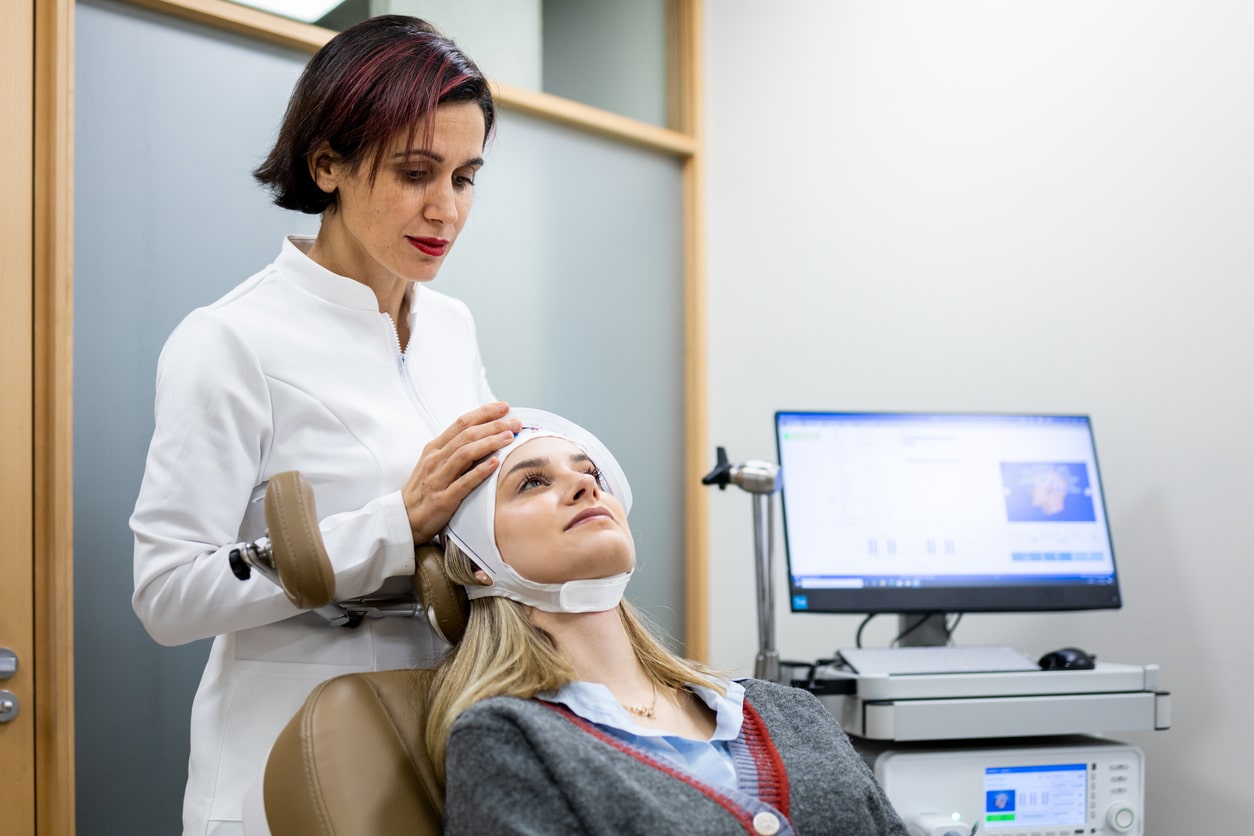
During a session, a clinician places a small coil against the scalp. The coil sends brief magnetic pulses through the skull to targeted brain cells. Each pulse helps activate the nerve cells responsible for regulating mood.
It is thought that this repeated stimulation strengthens communication between neurons and supports more stable brain function. Many people notice improvements such as clearer thinking, increased energy, and a more balanced emotional state as these pathways become more responsive.
Because TMS works directly on specific brain regions rather than through medication circulating in the body, it allows for precise targeting with minimal side effects. This makes it a promising option for individuals who have not found enough relief from other depression treatments.

The science, put simply:
- TMS uses magnetic energy similar to what is used in MRI technology.
- The pulses influence brain cells responsible for emotional regulation.
- Consistent stimulation creates long-lasting changes in brain activity.
Although the process may sound complex, the experience itself is very comfortable for most people. Sessions are completed while you sit in a chair, and you remain awake the entire time.
Who Can Benefit From TMS for Depression?
TMS is most commonly recommended for individuals with major depressive disorder who have not found relief from at least one antidepressant. This is known as treatment-resistant depression, and it affects millions of people.
You may be a good candidate for TMS if:
- You continue to experience symptoms despite trying medication or therapy
- You cannot tolerate the side effects of antidepressants
- You want a noninvasive treatment option
- You prefer an approach that works with the brain rather than through medication
Many people start TMS after years of struggling to feel better. For others, TMS becomes a helpful addition to a broader treatment plan that includes therapy, lifestyle changes, and holistic support.
What to Expect During TMS Treatment
Starting any new treatment can feel intimidating, especially when you are already coping with depression. Knowing what to expect can help you feel more comfortable and prepared.
The initial evaluation
Before beginning TMS, you will meet with a mental health professional who will review your symptoms, treatment history, and overall goals. This consultation ensures that TMS is the right fit for your needs.
The first session
Your first appointment is slightly longer than the rest. The clinician will:
- Identify the correct placement of the magnetic coil
- Determine the optimal stimulation level for your brain
- Walk you through what you will feel and hear during treatment
You may notice a tapping sensation on the scalp and a clicking sound from the device. These sensations are normal and typically become easy to tolerate after the first few sessions.
Ongoing sessions
Most people attend TMS sessions five days a week for several weeks. Each session lasts around twenty minutes, and you can drive yourself home afterward. Because there is no medication or sedation involved, you can return to work, school, or regular activities right away.
How Long Does TMS Treatment Last?
A typical course of treatment spans four to six weeks, depending on your unique symptoms and how your brain responds. Some programs also include a tapering phase where sessions gradually decrease to support long-term stability.
The length of treatment is important because consistent stimulation is necessary to create lasting changes in mood-related brain regions. The cumulative effect of daily sessions leads to improved emotional balance, increased motivation, and reduced depressive symptoms.
How Long Does It Take for TMS to Work?
Everyone responds differently to TMS therapy. Some people begin noticing improvements within the first week or two, while others experience more gradual progress over the full six-week course of treatment.
Common early signs of improvement include:
- Increased energy
- Better sleep patterns
- Clearer thinking
- More hopeful outlook
- Reduced emotional heaviness
Because TMS works by strengthening neural pathways, these changes build over time. Even if you do not feel immediate relief, it is important to continue attending sessions consistently. Many individuals report significant improvements by the halfway point or near the final weeks of treatment.
Does TMS Have Side Effects?
TMS is considered safe and well-tolerated by most medical professionals, including The Mayo Clinic, and is approved by the FDA. Side effects are rare, mild, and temporary. They may include:
- Scalp discomfort
- Mild headache
- Light fatigue after a session
These effects usually fade as your body adjusts. Unlike antidepressants, TMS does not cause weight gain, sexual side effects, or systemic reactions. This makes it a valuable option for individuals who have struggled with medication side effects in the past.
Is TMS Effective?
Yes, it is safe to say TMS is effective. A growing body of research shows that TMS can significantly reduce symptoms in people with treatment-resistant depression with minimal to no side effects.
One large real-world analysis cited in the updated 2024 TMS clinical guidelines reported response rates ranging from 58% to 83% and remission rates between 28% and 62% across more than 5,000 patients. These numbers reflect outcomes in typical clinical practice rather than tightly controlled trial environments, which makes them especially relevant for people considering treatment.
A 2025 study from UCLA Health found that 54% of patients with major depression experienced a clinically significant improvement (>50% reduction in symptoms) after completing TMS. Many participants noticed early shifts in mood and clarity within the first week of treatment, even after multiple antidepressants had been ineffective.
Together, these findings highlight TMS as a well-supported and effective option for individuals seeking relief from depression when traditional treatments have not provided enough progress.
Life After TMS: What Results Feel Like
People who complete TMS often describe feeling more present in their lives. They notice that they wake up with more energy, feel less emotionally overwhelmed, and regain a sense of motivation they thought they had lost.
Long-term results vary, but many people experience sustained improvement for months or even years. If symptoms return, some individuals choose to schedule maintenance sessions to support ongoing stability.

Is TMS Right for You?
Choosing the right treatment can feel overwhelming, especially when you are already carrying the weight of depression. TMS offers a hopeful path forward for those who have not found enough relief through other approaches. It is safe, evidence-based, and designed to work with your brain in a gentle and effective way.
If you are wondering whether transcranial magnetic therapy for depression could help you, our team is here to support you. We understand how difficult it can be to seek treatment, and we will walk with you through every step of this process.
Start Your Healing Journey with The Meadows
Depression can make you feel isolated, but you do not have to navigate this alone. If you want to learn more about TMS for depression, or if you would like help deciding whether it is the right option for you, we encourage you to reach out.
The Meadows offers compassionate, comprehensive care for individuals seeking a path toward lasting wellness. Our state-of-the-art Brain Center offers patients innovative opportunities to heal trauma using evidence-based methods and innovative tools, including TMS and Neurofeedback.
Contact us today to learn more about TMS therapy and how it can support your healing journey.