
Addiction can be confusing and frustrating to watch. You may see someone promise to stop, face serious consequences, and still return to drinking or using. It can leave families asking the same question over and over: why is this so hard to overcome?
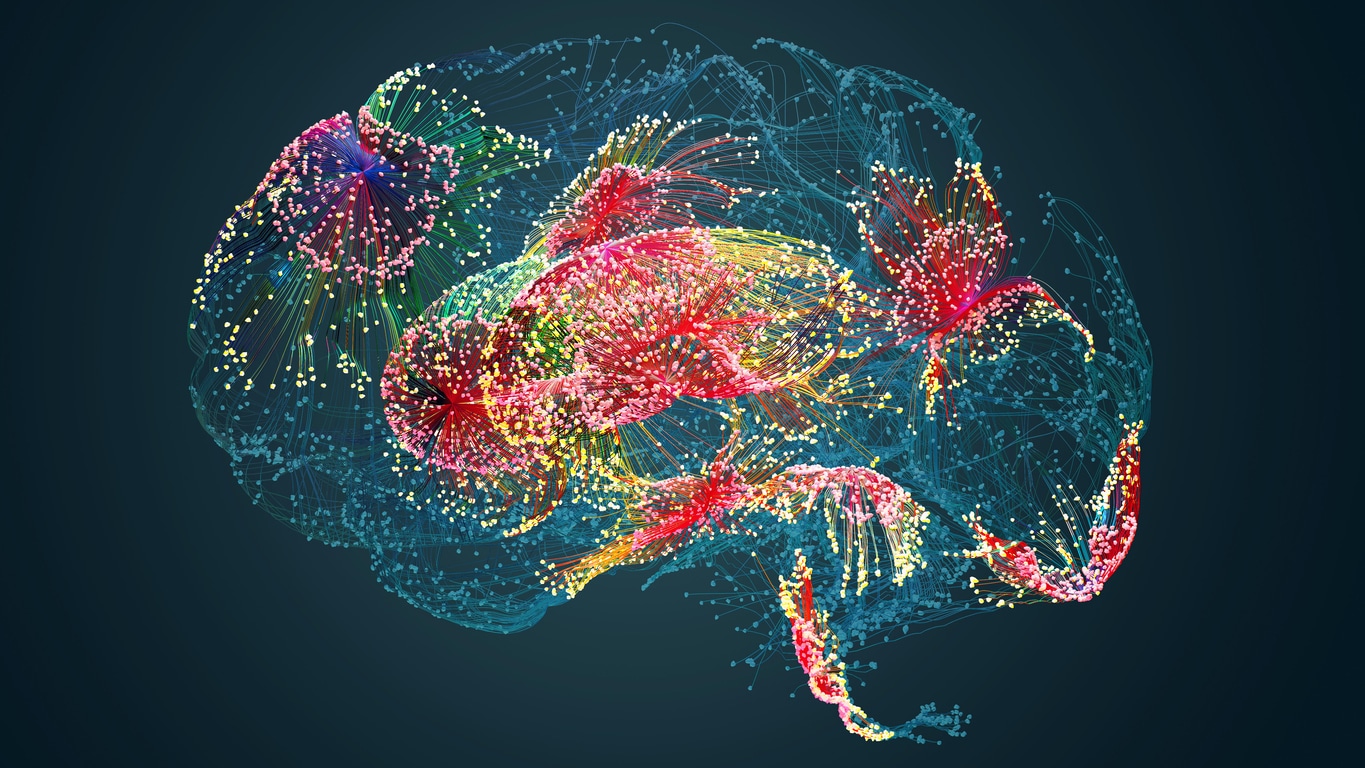
The answer has a lot to do with the brain. Addiction is not only about habits or poor decisions. Repeated substance use changes how the brain processes reward, stress, and self-control. Understanding those changes can reduce blame, ease shame, and help you see why recovery takes more than willpower alone.
Is Addiction a Choice or a Disease?
One of the most common questions families ask is whether addiction is a choice. The honest answer is that it often starts with a choice, but it does not stay that way. In fact, most major medical associations define addiction as a disease.
Early use may be voluntary. Over time, repeated exposure to alcohol or drugs changes how the brain functions. These changes affect motivation, impulse control, and decision-making. What once felt like an option can begin to feel like a need.
Addiction is considered a chronic brain condition because it alters specific systems that control reward and behavior. That does not mean a person has no responsibility. It means the struggle is rooted in brain changes, not simply a lack of character or effort.
Seeing addiction through this lens can help families shift from asking, “Why won’t they just stop?” to “What support does the brain need to recover?”
How Addiction Changes the Brain
To understand why quitting is so difficult, it helps to know what substances do inside the brain. Addiction does not affect one small area. It changes several connected systems that influence pleasure, stress, memory, and self-control.
These changes can make cravings stronger, consequences feel less urgent, and everyday life seem less rewarding. Below are some of the key ways the brain adapts to ongoing substance use.
The Reward System Gets Rewired
Alcohol and drugs flood the brain with dopamine, a chemical linked to pleasure and motivation. Over time, the brain adjusts by producing less dopamine naturally or becoming less sensitive to it.
As a result, normal activities like spending time with family, exercising, or working toward goals may feel dull in comparison. The brain begins to prioritize the substance because it has learned that it delivers the strongest reward.
The Brain Learns to Crave
The brain is designed to remember what brings relief or pleasure. With repeated use, it links certain people, places, emotions, and routines to substance use.
This is why cravings can be triggered by stress, a specific location, or even a certain time of day. These cues activate memory circuits that drive the urge to use, sometimes before a person is even fully aware of it.
The Prefrontal Cortex Weakens
The prefrontal cortex is responsible for decision-making, planning, and impulse control. Chronic substance use reduces activity in this area.
When this system is weakened, it becomes harder to pause, weigh consequences, and make long-term decisions. This helps explain why someone may genuinely want to quit but still act against their own goals in high-stress moments.
Stress Systems Become Overactive
Addiction also affects the brain’s stress response. Over time, the body can become more reactive to stress and less able to regulate emotions.
This can lead to increased anxiety, irritability, and emotional discomfort. Substances then start to feel like the fastest way to calm the system, which strengthens the cycle.
Understanding these brain changes does not excuse harmful behavior. It explains why recovery requires more than motivation. Healing takes time, structure, and support so the brain can gradually regain balance.
Why Consequences Don’t Always Work When Someone is Addicted
Families often hope that serious consequences will be enough to stop the behavior. A DUI, job loss, health scare, or damaged relationship can feel like it should be a turning point. Sometimes it is. But often, it isn’t.
Addiction Changes How the Brain Weighs Risk
As we covered earlier, addiction shifts the brain’s reward and decision-making systems. When those systems are out of balance, short-term relief can start to feel more urgent than long-term risk.
The reward system pulls the person toward the substance, while impulse control and clear thinking are harder to access in the moment. So even if they understand the consequences, the drive to use can still override logic during stress or cravings.
Shame and Pressure Can Backfire
Consequences can also bring shame, and shame increases stress. Harsh criticism or constant reminders of past mistakes may increase emotional distress, which can make substances feel even more tempting as an escape. This doesn’t mean families should ignore the problem. It means the way accountability is delivered matters.
Boundaries Still Matter, But They’re Not a Treatment Plan
Clear limits can protect you, reduce enabling, and create space for change. Consequences can be part of the picture, but most people also need real care that builds day-to-day stability, improves follow-through, and helps them stay engaged long enough for change to stick.
Why Cravings Feel So Powerful in Addiction
Cravings are not only mental; they can feel physical, urgent, and overwhelming, even when someone truly wants to stay sober. They’re often a sign the brain is still healing, and that more support may be needed.
The Brain Starts Treating the Substance Like a Need
With repeated alcohol or drug use, the brain learns that the substance brings fast relief or reward. Over time, it can begin responding as if the substance is necessary, not optional. That’s why cravings can feel intense and hard to ignore in the moment.
Triggers Can Activate Cravings Quickly
Triggers are cues that the brain links to past substance use. Stress is a big one, but triggers can also be environmental or emotional. A certain place, a smell, a social situation, or even a time of day can activate those memory pathways and create a sudden urge to use.
New Coping Skills Help Reduce Trigger Power
White-knuckling can work short-term, but it often leaves someone worn down and more vulnerable later. Recovery gets easier when someone learns to manage stress, ride out urges, and build healthier routines that give the brain new ways to regulate itself. Over time, cravings usually become less frequent and less intense.
Why Relapse Can Happen Even When Someone Wants to Quit
Relapse can be one of the most discouraging parts of addiction. From the outside, it may look like a lack of commitment. For the person struggling, it can feel like failure. In reality, relapse often reflects how long it takes the brain to fully heal.
Brain Healing Takes Time
As we discussed earlier, addiction changes the brain’s reward, stress, and decision-making systems. Those systems do not reset overnight. Even after someone stops using, the brain may still react strongly to triggers, stress, or emotional pain.
In early recovery, cravings can spike before coping skills feel natural. That gap is where relapse risk is highest. This does not mean recovery is impossible. It means the brain needs time and structure to regain balance.
Stress Can Reactivate Old Pathways
Stress is one of the strongest relapse triggers. When someone feels overwhelmed, anxious, angry, or ashamed, the brain may default to what it learned provided relief.
Old neural pathways can become active quickly, especially in high-pressure situations. Without strong coping tools to manage emotional triggers, the urge to return to substance use can feel automatic.
Relapse Is Often a Signal, Not the End
Relapse does not erase progress. It often signals that something in the recovery plan needs strengthening. That could mean more therapy, more support, medication management, or addressing untreated trauma or mental health concerns.
Many people who achieve long-term recovery have experienced at least one relapse. What matters most is learning from it and adjusting the approach, rather than giving up.
Can the Brain Heal From Addiction?
One of the most important things to understand is that the brain can heal. Addiction changes the brain, but those changes are not permanent.
Neuroplasticity Makes Recovery Possible
The brain has the ability to rewire itself. This process, known as neuroplasticity, allows new habits and healthier reward pathways to develop over time.
With sustained sobriety, therapy, and structured support, dopamine levels begin to stabilize. Every day activities slowly become more rewarding again. Emotional regulation improves. Decision-making becomes clearer.
Stability Helps Restore Balance
Consistent routines, healthy sleep, exercise, and connection all support brain healing. Therapy helps strengthen the prefrontal cortex by improving impulse control and coping skills. In some cases, medication-assisted treatment can also support brain stabilization.
Healing does not happen all at once. It happens gradually, often in small improvements that build over months.
Hope Is Based on Science
Understanding that addiction affects the brain can reduce shame. It shifts the narrative from “What’s wrong with me?” to one of self-forgiveness: “My brain needs time and support to recover.”
Recovery is not about becoming a different person. It is about allowing the brain to regain balance so that choices, values, and goals are easier to act on.
What Effective Addiction Treatment Looks Like
Addiction is complex, and effective treatment reflects that complexity. Quick fixes rarely lead to lasting change. The most successful programs address both the brain and the behaviors tied to substance use.
Evidence-Based Therapy
Cognitive behavioral therapy, dialectical behavioral therapy, motivational interviewing, trauma-informed therapy, and other evidence-based approaches help individuals understand triggers, reshape thought patterns, and build healthier coping skills.
Addressing Mental Health
Anxiety, depression, trauma, and chronic stress often fuel substance use. Treating these conditions alongside addiction improves long-term outcomes.
Medication When Appropriate
For some individuals, medication-assisted treatment can reduce cravings, stabilize mood, and support brain recovery. When combined with therapy, it can significantly lower relapse risk.
Long-Term Support
Addiction recovery is rarely a short process. Ongoing therapy, support groups, and structured aftercare increase the chances of sustained sobriety. The brain continues healing long after substances are removed.
Get Help for Addiction That Treats the Whole Person
Addiction can feel impossible to overcome, especially when you’ve tried willpower, consequences, or promises and nothing seems to stick. But real recovery is possible, and the right treatment can make a lasting difference.
At The Meadows, our addiction treatment programs are designed to address the brain changes behind addiction while also treating the emotional and mental health issues that often drive substance use.
If you have questions about what level of care makes sense or what support could look like, contact us today. We’re here to help you understand your options and take the next step with clarity.