

Category: Mental Health
-

The Postpartum Mental Health Spectrum, Explained
The weeks after childbirth can be emotionally intense. Exhaustion, physical recovery, and the demands of caring for a newborn can make it difficult to know whether a new parent is going through an expected adjustment or needs more help. Postpartum mental health concerns exist on a spectrum. The baby blues are common and usually short-lived.…
-

Why Co-Occurring Disorders Are Common & How to Treat Them
Learn why co-occurring disorders—addiction and mental health—are so common, how they interact, and why treating both is key to recovery.
-

What is Combat Trauma? Steps to Heal Military PTSD Symptoms
It may be shocking to discover that the deadliest threat to active U.S. military members and veterans is not combat — it’s suicide. The United Service Organizations (USO) and other organizations are taking steps to prevent suicide among our soliders, especially those who are at higher risk due to military trauma, stress, or mental health…
-

How Common Is Cannabis‑Induced Psychosis — and How Long Does It Last?
Cannabis is often viewed as low‑risk or “natural,” but for some individuals — especially those who use it often or use high‑THC products — it can trigger serious mental health reactions. One possible reaction is cannabis‑induced psychosis. Clinicians describe these reactions in clinical texts such as The Other Side of Cannabis: Impact on Mental and…
-
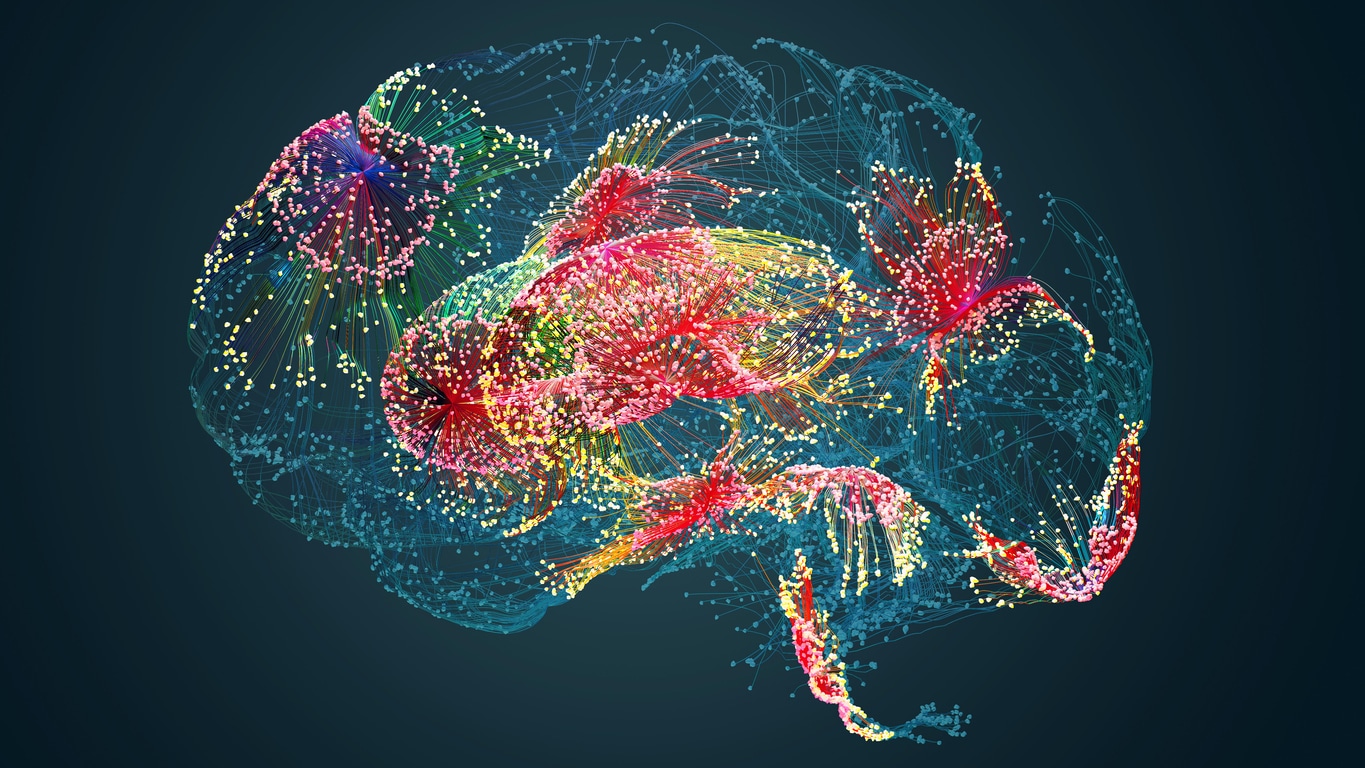
Why Addiction is Hard to Overcome: How the Brain Changes
Addiction can be confusing and frustrating to watch. You may see someone promise to stop, face serious consequences, and still return to drinking or using. It can leave families asking the same question over and over: why is this so hard to overcome? The answer has a lot to do with the brain. Addiction is…
-

How Does Dialectical Behavior Therapy Work in Addiction Treatment?
Intense emotions can be difficult to manage, especially when they build quickly and lead to impulsive choices or behaviors you later regret. For those in recovery, emotional triggers often play a direct role in cravings, relapse risk, and difficulty staying present during stressful moments. Dialectical Behavior Therapy (DBT) was developed to help people build skills…
-

A Beginner’s Guide to TMS Therapy for Depression
Living with depression is exhausting and frustrating, especially when symptoms linger despite therapy or medication. If you’re suffering from treatment-resistant depression and you’re looking for something that can offer meaningful relief, you are not alone. Many people reach this point and begin exploring alternative options like Transcranial Magnetic Stimulation (TMS), also called neuromodulation. TMS is…
-

How to Help Someone With Mental Illness Who Doesn’t Want Help
In this blog post, we’ll discuss how to help someone who doesn’t want help, reasons why they might not want help yet, and how to navigate situations dealing with psychosis.
-

Codependency: What’s It All About?
By Tian Dayton, Ph.D. The word codependency touched a nerve when it first plowed its way into our everyday vernacular. Initially, it grew out of the twelve-step term co-addict, which was a way of describing the spouse of the addict; however, as it didn’t tell the right story, it morphed into co-dependent. It was a…
-

Coping With Anxiety: Ways to Calm Your Mind and Regain Control
While anxiety can be overwhelming, it doesn’t have to control your life. If you’re ready to feel more like yourself again, try these anxiety coping mechanisms.
-

Inpatient, Outpatient, or IOP? How to Choose the Right Treatment
Selecting the right program depends on the level of care required and where you are in your recovery journey. Explore the most common treatment options here.
-

The Role of Shame in Addiction
Shame and guilt are deeply intertwined in addiction, often acting as the emotional drivers that keep people stuck in a harmful cycle. Here, we define that cycle and give guidance on how to break it.