

Category: Addiction
-
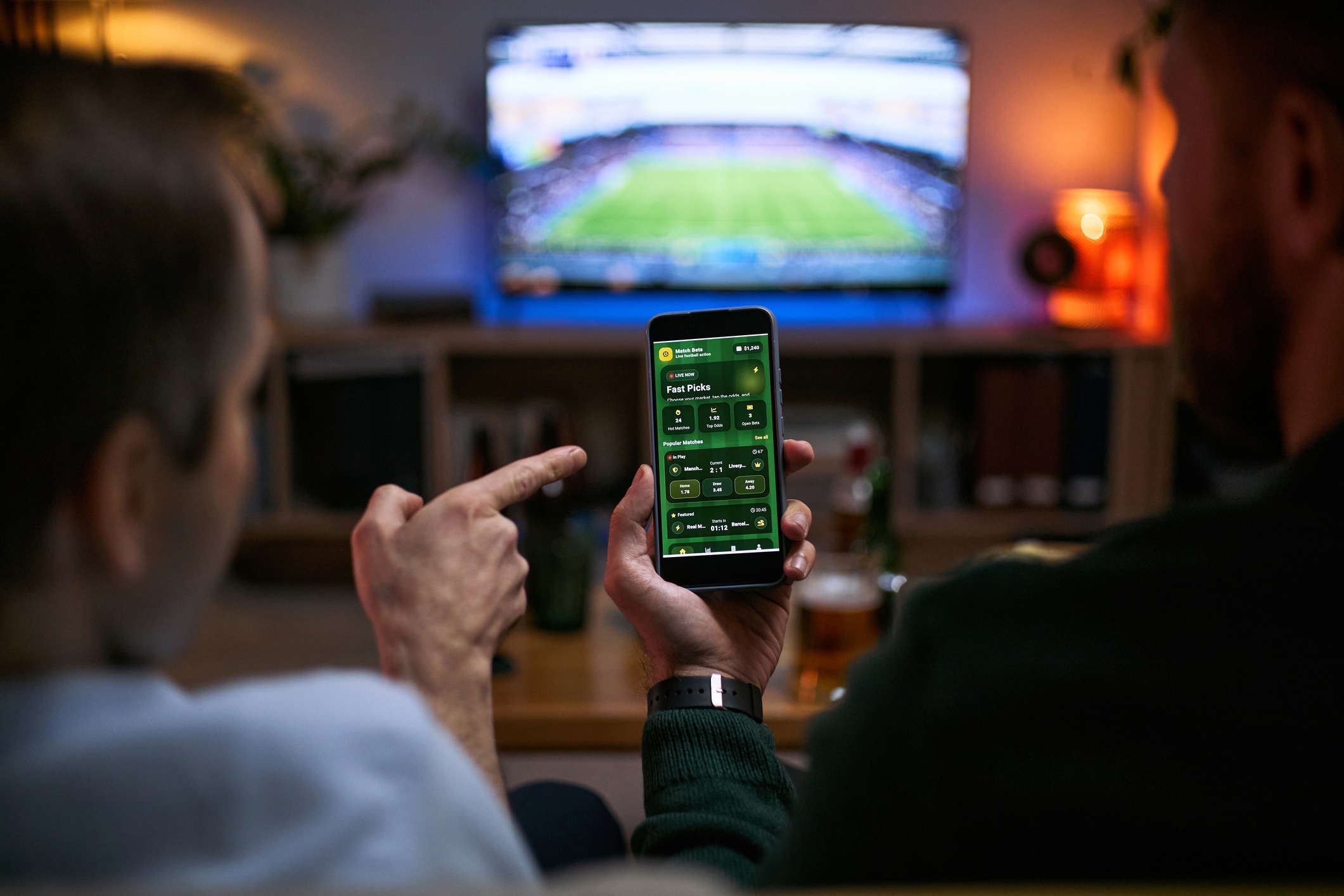
When Sports Betting Becomes a Problem: Signs and Next Steps
Sports betting has changed quickly. What once required a casino, sportsbook, or private betting arrangement is now available from a phone, often within seconds. For many people, betting on a game stays occasional and recreational. But for others, especially when betting becomes frequent, secretive, emotional, or hard to stop, it can become a serious behavioral…
-

Why Co-Occurring Disorders Are Common & How to Treat Them
Learn why co-occurring disorders—addiction and mental health—are so common, how they interact, and why treating both is key to recovery.
-

How Veterans Can Get Addiction Treatment with TRICARE
For anyone who doesn’t have a family member, colleague, or close friend who has served in the military, sometimes the only window into the unique challenges of a soldier’s life is from a big-budget blockbuster like 1917, Saving Private Ryan, or Platoon — or more detailed accounts found on the small screen, such as the…
-
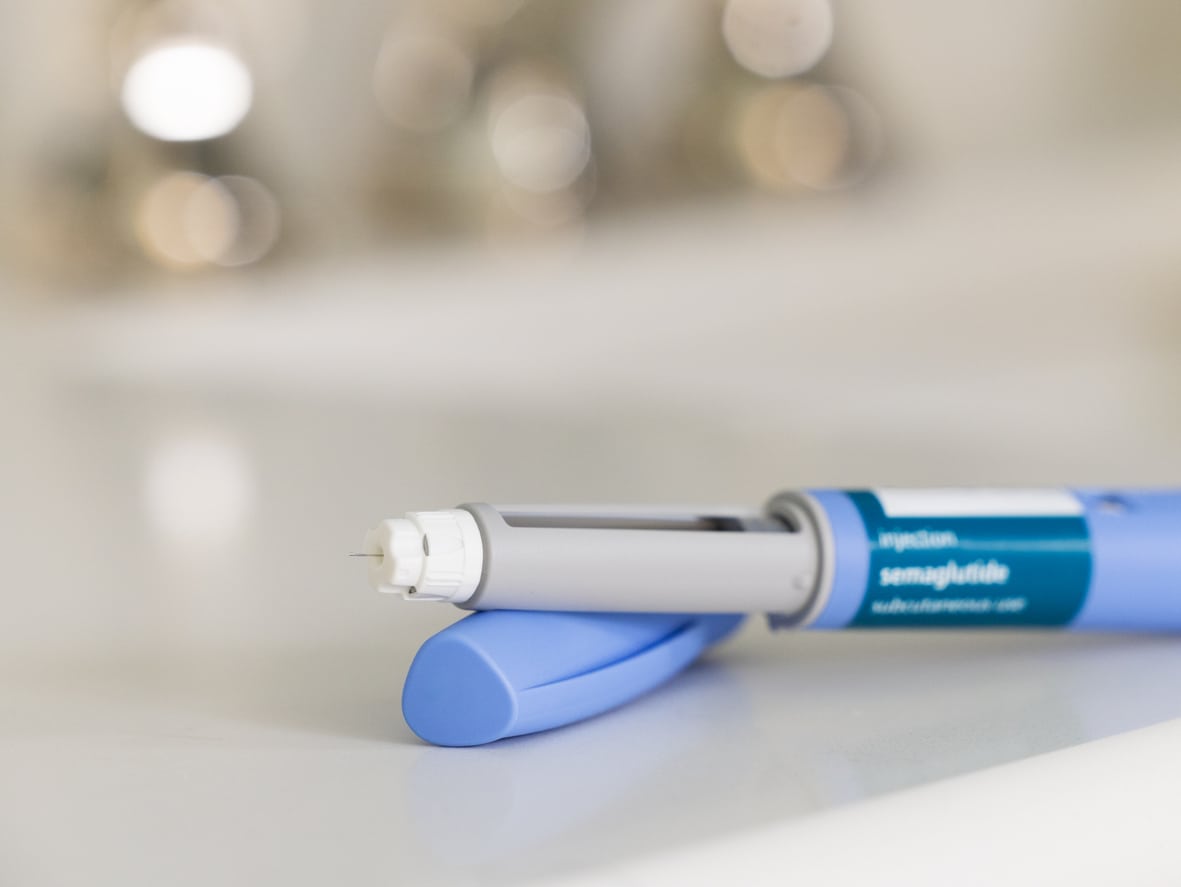
GLP-1s and Addiction Treatment: Setting a Thoughtful Standard
GLP-1 receptor agonists (often called GLP-1s) are best known for their role in diabetes and weight management. More recently, they have drawn attention for their potential impact on cravings, impulse control, and compulsive behaviors. At The Meadows, we are committed to responsible innovation and are carefully exploring this emerging area. GLP-1s are not intended for…
-
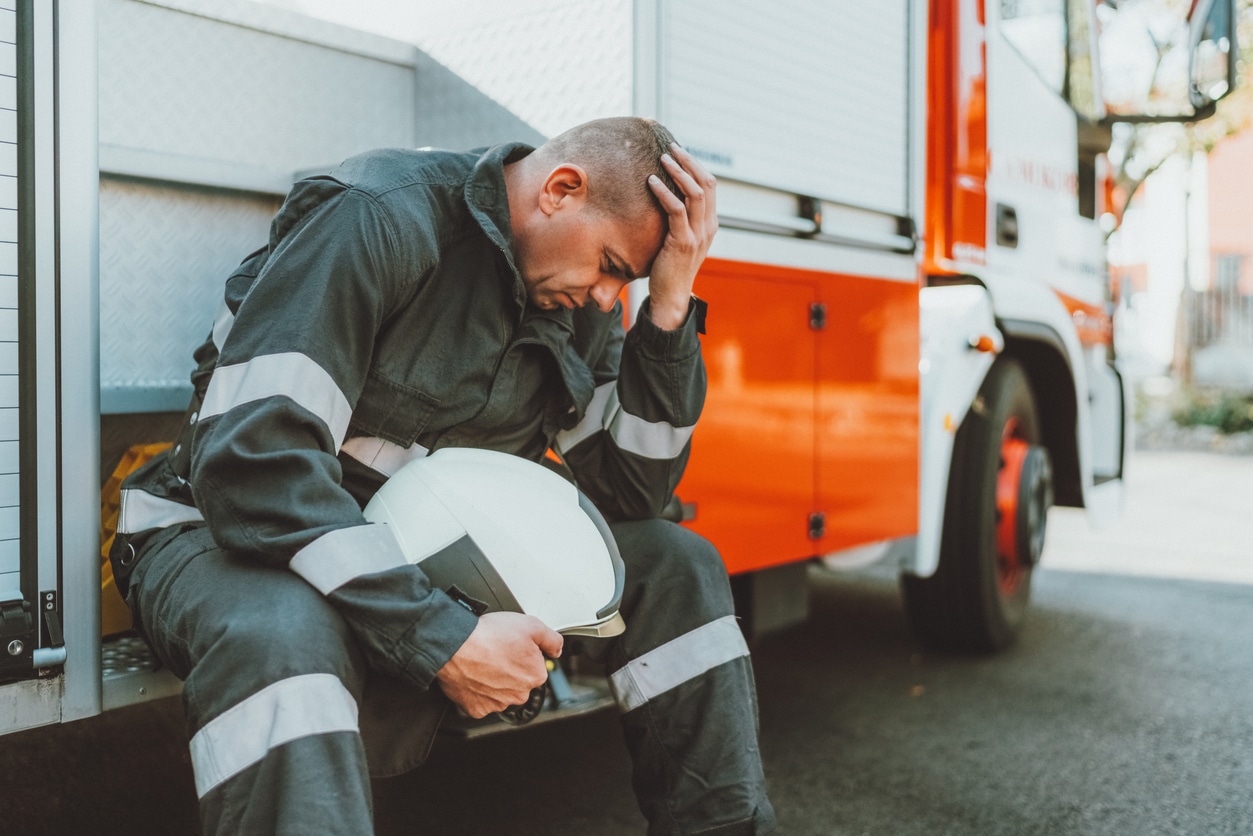
Why Alcohol Abuse in Firefighters is Common (And How to Find Help)
Alcohol addiction doesn’t always look the way people expect. Some firefighters keep showing up to work, doing their job well, and handling responsibilities without obvious issues. From the outside, everything can seem normal. At home, though, it may be a different story. Mood changes, distance, and reliance on alcohol to unwind can start to show…
-
How Common Is Cannabis‑Induced Psychosis — and How Long Does It Last?
Cannabis is often viewed as low‑risk or “natural,” but for some individuals — especially those who use it often or use high‑THC products — it can trigger serious mental health reactions. One possible reaction is cannabis‑induced psychosis. Clinicians describe these reactions in clinical texts such as The Other Side of Cannabis: Impact on Mental and…
-

How Does Addiction Affect a Person’s Life?
Addiction rarely stays contained to one area of life. What may begin as occasional substance use can gradually start affecting mental health, relationships, daily routines, and overall well-being. For many people, these changes happen slowly: Mood shifts become more noticeable, responsibilities feel harder to manage, and relationships may become strained or distant. Over time, substance…
-
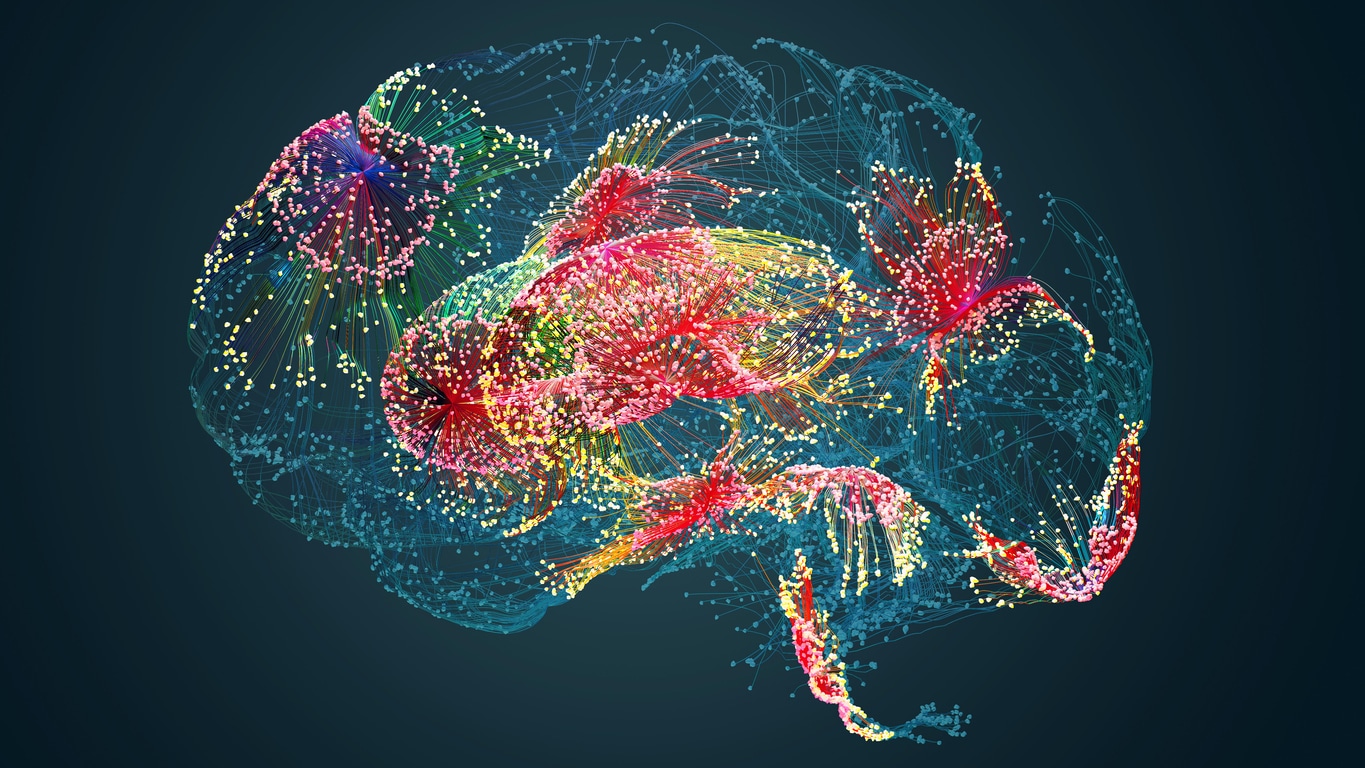
Why Addiction is Hard to Overcome: How the Brain Changes
Addiction can be confusing and frustrating to watch. You may see someone promise to stop, face serious consequences, and still return to drinking or using. It can leave families asking the same question over and over: why is this so hard to overcome? The answer has a lot to do with the brain. Addiction is…
-

What is Gas Station Heroine? Signs of Tianeptine Abuse
A new drug with opioid-like effects has been drawing attention and concern due to its high potential for abuse. Tianeptine, also called “gas station heroin” is not yet a controlled substance, but some states have already passed laws to ban it due to its addictive qualities. What is tianeptine? Though it is used in some…
-

How Does Dialectical Behavior Therapy Work in Addiction Treatment?
Intense emotions can be difficult to manage, especially when they build quickly and lead to impulsive choices or behaviors you later regret. For those in recovery, emotional triggers often play a direct role in cravings, relapse risk, and difficulty staying present during stressful moments. Dialectical Behavior Therapy (DBT) was developed to help people build skills…
-

New Perspectives on Addiction with Dr. Kevin McCauley, MD
Post Induction Therapy (PTI) offers a path to help you heal from early relational trauma. It allows you to reconnect with your true self, build stronger boundaries, and move toward a life that feels more whole, grounded, and real.
-

Inpatient, Outpatient, or IOP? How to Choose the Right Treatment
Selecting the right program depends on the level of care required and where you are in your recovery journey. Explore the most common treatment options here.